
Beef Stir Fry Recipe
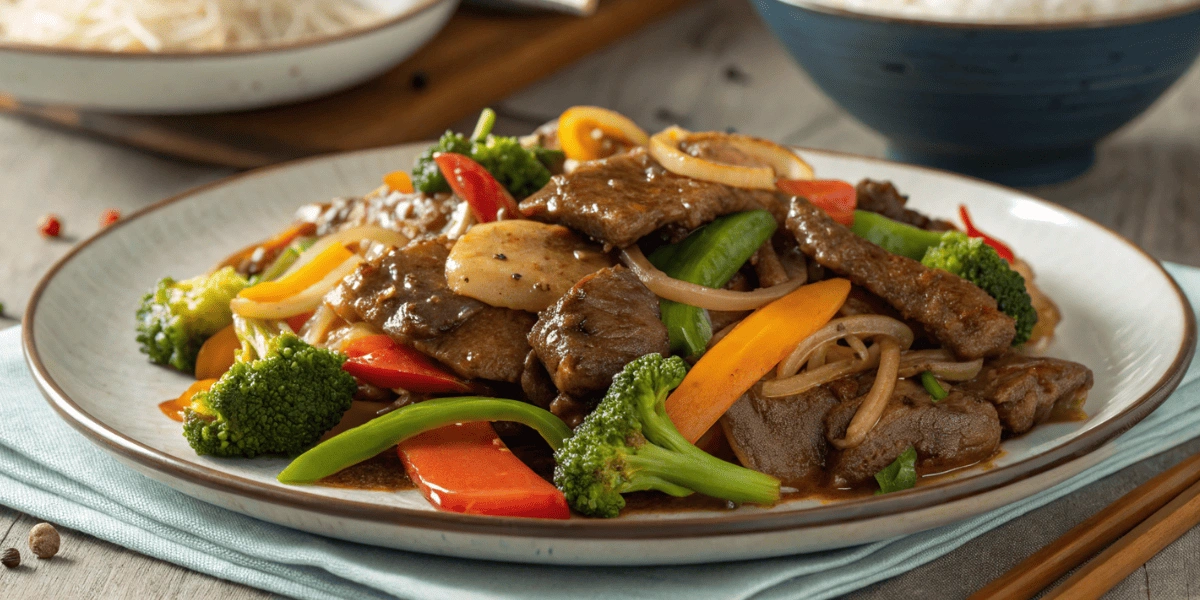
When your evenings are packed with activities and time is running out, a delicious beef stir-fry recipe can be the ultimate lifesaver. It’s not just quick to prepare; it’s packed with flavour and customizable to your preferences. Imagine sizzling tender strips of beef, stir-fried to perfection with crisp vegetables, all coated in a savoury sauce that ties it all together. The best part? You can have this restaurant-quality dish on the table in less than 30 minutes, making it the perfect choice for busy nights.
Whether you’re new to stir-frying or an experienced home cook, this beef stir-fry recipe is your go-to for quick weeknight meals. With just a handful of simple ingredients like beef, garlic, soy sauce, and sesame oil, you can whip up a meal that’s both satisfying and nutritious. Not only does it save you time, but it also gives you the flexibility to add your favourite vegetables and tweak the seasoning to your liking.
Want to make your dinner routine easier without compromising on taste? Keep reading to discover step-by-step instructions, helpful tips, and some creative variations to elevate your stir-fry game. Let’s get cooking and make your next dinner a breeze with this irresistible beef stir-fry recipe!
Ingredients for the Perfect Beef Stir Fry
Creating the perfect beef stir fry recipe starts with choosing the right ingredients. The beauty of stir fry is its versatility, but to ensure your dish has the right balance of flavours and textures, there are a few key ingredients you shouldn’t skip. Whether you’re a beginner or a seasoned cook, these essential ingredients will set you up for success.
Here’s a breakdown of the ingredients you’ll need:
| Ingredient | Amount | Notes |
|---|---|---|
| Beef (sirloin or flank) | 1 lb | Slice thinly against the grain for tenderness |
| Soy sauce | 3 tbsp | Opt for low-sodium to control salt levels |
| Sesame oil | 2 tbsp | Add crunch andcolourr |
| Garlic | 2 cloves | Minced, for aromatic depth |
| Fresh ginger | 1-inch piece | Minced or grated for a fresh, spicy kick |
| Bell peppers (red/green) | 1-2 (sliced) | Or substitute with your favourite stir fry veg |
| Broccoli florets | 1 cup | For extra depth of flavour, though optional |
| Cornstarch | 1 tbsp | Helps thicken the sauce, adding gloss and shine |
| Oyster sauce (optional) | 1 tbsp | For extra depth of flavor, though optional |
Key Ingredients for Stir Fry Success
- Beef: The choice of beef is critical for a stir-fry recipe. Opt for tender cuts like sirloin or flank steak, as they cook quickly and stay juicy. Thinly slicing the beef against the grain will help maintain its tenderness.
- Soy Sauce & Sesame Oil: These are the foundation of your stir-fry sauce. Soy sauce gives the dish that savoury umami, while sesame oil imparts a slightly nutty aroma and flavour. Low-sodium soy sauce is recommended to keep the dish balanced.
- Garlic & Ginger: These two ingredients bring an aromatic depth and an extra layer of flavour to your stir fry. Fresh ginger will give the dish a mild spicy kick that complements the beef.
- Vegetables: You can get creative with your choice of vegetables, but bell peppers and broccoli are a great place to start. They add colour, crunch, and nutrients to your meal.
- Cornstarch: A small amount of cornstarch mixed with water is often used to thicken the sauce, giving it that glossy, restaurant-style finish.
- Oyster Sauce (Optional): If you want a deeper, more complex flavour, a tablespoon of oyster sauce can really elevate your stir-fry. However, it’s optional, depending on your preference for flavour intensity.
By combining these ingredients in the right proportions, you’ll create a balanced, flavorful dish that’s ready in minutes. Feel free to experiment with other vegetables or even protein substitutions, but these basics are key to mastering the perfect beef stir-fry recipe.
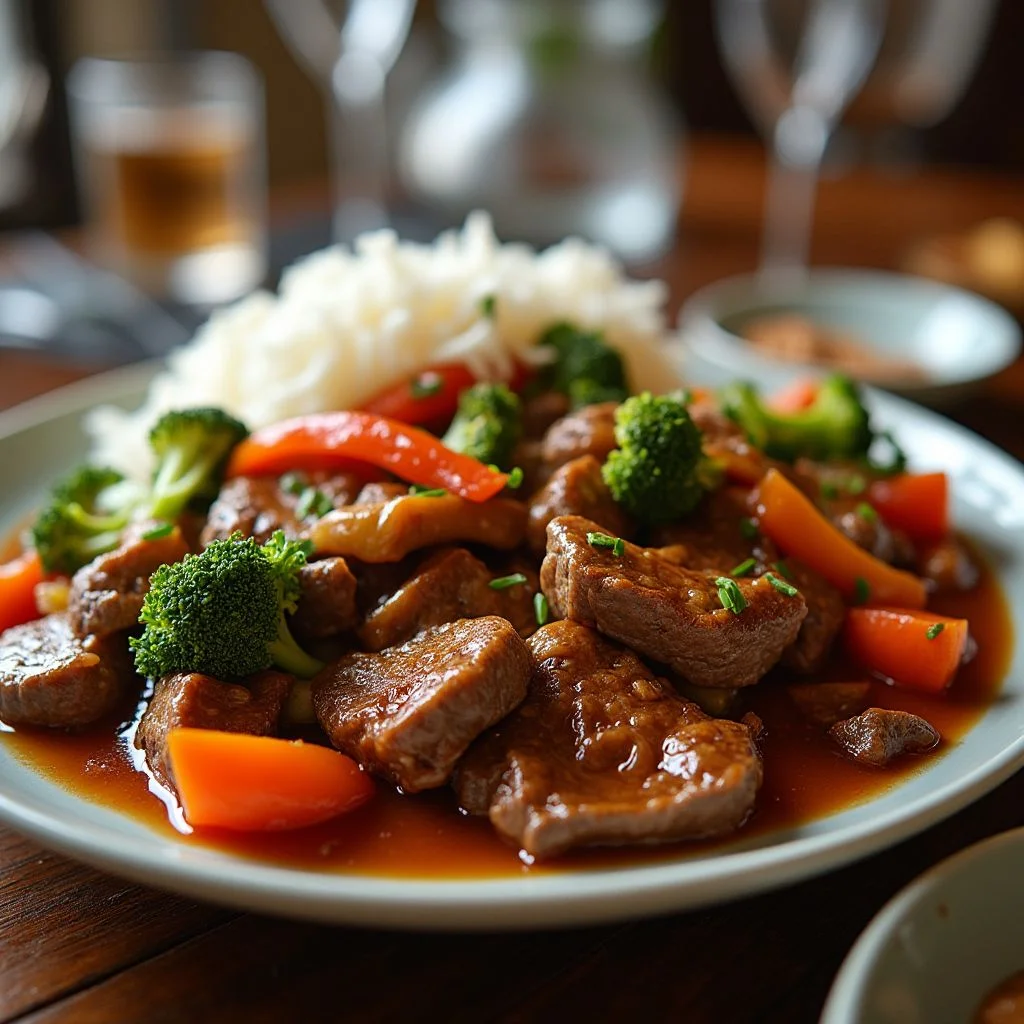
Step-by-Step Instructions for Cooking the Beef Stir Fry
Cooking the perfect beef stir fry recipe might sound complicated, but with a few simple steps, you can create a dish that’s bursting with flavour and texture in no time. Follow these step-by-step instructions to get your stir fry from the cutting board to the table in less than 30 minutes.
1. Marinate the Beef
The key to tender, flavorful beef is in the marinade. Begin by thinly slicing your beef against the grain. This helps the meat stay tender and cook quickly. In a bowl, combine the following:
- Soy sauce
- Grated ginger
- Minced garlic
- A pinch of sugar (optional, for balance)
Let the beef marinate for about 10-15 minutes. This allows the flavours to penetrate the meat and ensures a delicious base for your stir fry.
2. Prepare Your Veggies
While the beef is marinating, prepare your vegetables. Slice the bell peppers and chop the broccoli into bite-sized florets. You can also add other vegetables like carrots, snow peas, or mushrooms, anything you love in your stir fry. The key is to keep the pieces uniform in size so they cook evenly.
3. Heat the Pan
Now, heat a wok or a large skillet over medium-high heat. Add sesame oil and swirl it around to coat the pan. The high heat is essential to getting that signature stir-fry texture, where the beef sears quickly without becoming soggy.
4. Cook the Beef
Once the oil is hot, add the marinated beef to the pan. Stir constantly to ensure it cooks evenly. The beef should only take about 2-3 minutes to cook through, so keep an eye on it to avoid overcooking. When it’s browned on all sides, remove it from the pan and set it aside.
5. Stir-Fry the Vegetables
In the same pan, add a little more sesame oil if necessary, and toss in your prepared vegetables. Stir-fry them for about 2 minutes. You want the veggies to stay crisp and vibrant, not soft and mushy. Feel free to experiment with adding other vegetables like onions or snap peas to make the dish your own.
6. Combine Beef and Veggies
Once the veggies have softened just enough, return the cooked beef to the pan. Stir everything together, making sure the beef and vegetables are evenly distributed. Now, add in a cornstarch slurry (cornstarch mixed with a little water), and stir to thicken the sauce. If you like a more savoury flavour, add a tablespoon of oyster sauce for extra depth.
7. Finish and Serve
Let everything cook together for another 1-2 minutes, allowing the sauce to coat the beef and vegetables. Once the sauce has thickened and the flavours have melded together, remove from the heat. Serve your beef stir fry over steamed rice or noodles for a complete meal.
Tips for a Healthier Beef Stir Fry
If you love a good beef stir fry recipe but want to make it healthier without sacrificing flavour, you’re in the right place. With a few simple swaps and additions, you can make your stir fry a nutritious, low-calorie meal while still enjoying all the savoury goodness that comes with this popular dish.
1. Choose Lean Cuts of Beef
The type of beef you use makes a significant difference in the healthiness of your stir-fry. Opt for lean cuts such as sirloin, flank steak, or round steak. These cuts are lower in fat compared to fattier options like ribeye or T-bone. By trimming off any visible fat, you can cut down on the overall fat content, making your stir fry healthier.
2. Use Low-Sodium Soy Sauce
Traditional soy sauce can be high in sodium, which may not be ideal if you’re watching your salt intake. Swapping out regular soy sauce for a low-sodium version helps you reduce sodium without compromising the savoury flavour that soy sauce imparts. You’ll still get that delicious umami taste, but with fewer calories and less salt.
3. Boost the Veggie Content
One of the easiest ways to make your beef stir-fry recipe healthier is by adding more vegetables. Broccoli, bell peppers, and carrots are excellent choices, but don’t be afraid to get creative. Consider adding snap peas, zucchini, mushrooms, or bok choy for extra fibre, vitamins, and minerals. These vegetables not only make your stir fry more colourful but also more filling and nutritious.
4. Skip the Added Sugar
Many stir-fry sauces contain sugar to balance the salty flavours. However, you can easily cut down on sugar without sacrificing flavour. Instead of adding sugar or sweetened sauces, try using a small amount of honey or stevia for a natural sweetness, or skip the sweeteners altogether if you prefer a more savoury dish. This will help lower the overall calorie count while still keeping the taste vibrant.
5. Serve with Whole Grains
If you typically serve your beef stir fry with white rice, consider swapping it for a whole grain option like brown rice, quinoa, or even cauliflower rice. Whole grains are packed with fibre, which aids digestion and helps keep you feeling full longer. Not only does this make your meal healthier, but it also adds a layer of flavour and texture.
6. Use a Lighter Stir-Fry Sauce
You don’t need to drown your stir-fry in heavy sauce. By making your own lighter stir fry sauce, you can control the ingredients and avoid excess oils, sugars, and sodium. Mix low-sodium soy sauce, sesame oil (just a splash), ginger, garlic, and a touch of rice vinegar or lime juice for acidity. This will give you a fresh, flavorful sauce without the excess calories.
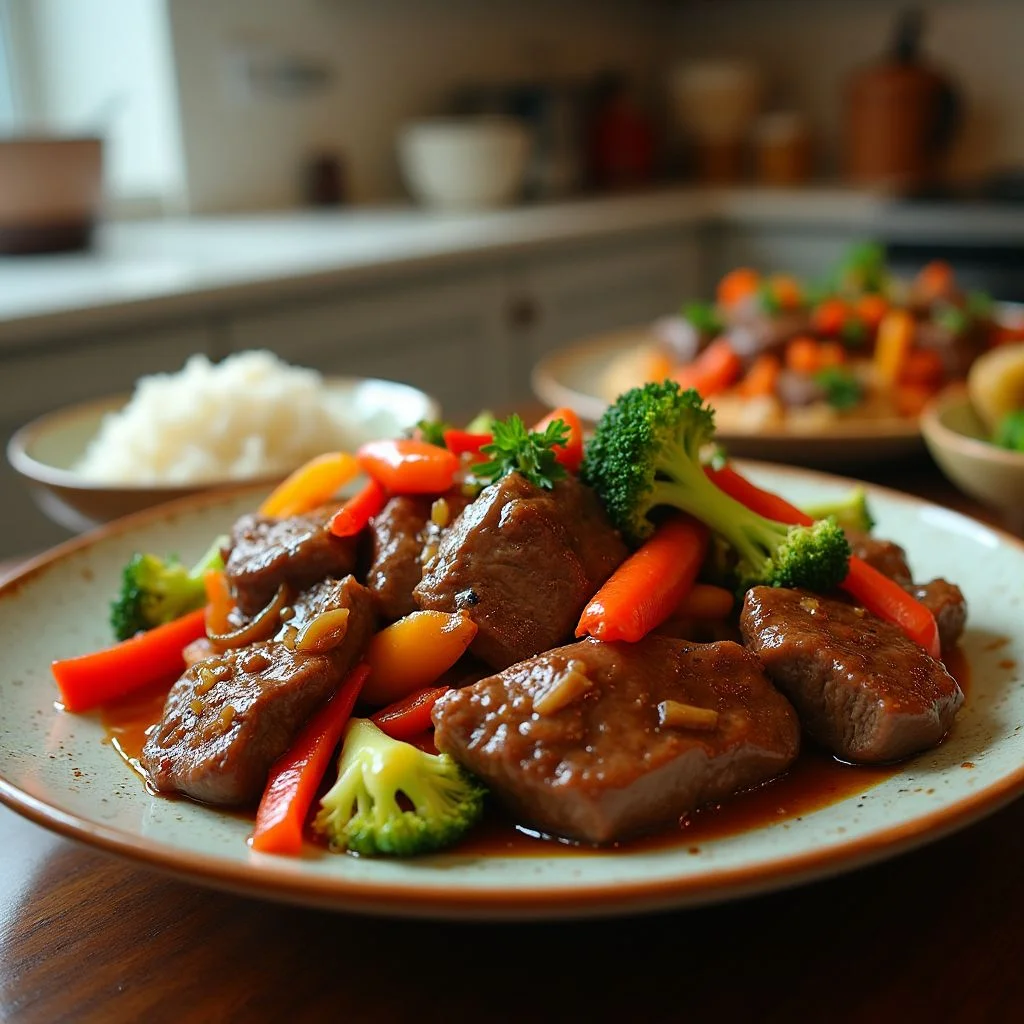

Common Mistakes to Avoid When Making Beef Stir Fry
Although making the ideal beef stir fry recipe may appear simple, there are a few typical mistakes that might detract from the quality of your meal. Whether you’re a novice cook or a seasoned chef, avoiding these mistakes will help you achieve a stir fry that’s tender, flavorful, and perfectly balanced. Let’s break down the most common missteps and how to steer clear of them.
1. Overcrowding the Pan
One of the biggest mistakes people make when cooking stir-fry is overcrowding the pan. Stir-frying is all about high heat and quick cooking, and if you add too many ingredients to the pan at once, everything steams instead of sears. This leads to soggy beef and vegetables rather than crispy, flavorful bites. To avoid this, cook in batches. Start by searing the beef, remove it from the pan, then stir-fry the vegetables separately before combining everything.
2. Using the Wrong Cut of Beef
Not all beef cuts are created equal for stir-frying. Using tough cuts of beef like chuck or round can result in a chewy and less enjoyable meal. For the best texture and flavour, choose tender cuts such as sirloin, flank steak, or ribeye. These cuts cook quickly and stay tender when sliced thinly against the grain, ensuring that each bite is succulent and delicious.
3. Not Preparing Your Ingredients in Advance
Stir-frying is a fast-paced process, so having all your ingredients prepped and ready to go is key. Many home cooks make the mistake of chopping vegetables or slicing beef halfway through cooking. To avoid scrambling, prepare all your ingredients in advance: slice the beef, chop the vegetables, and make your sauce beforehand. This will allow you to focus on the actual cooking and ensure everything comes together smoothly.
4. Skipping the Marinade
A beef stir-fry recipe becomes a masterpiece when the beef is well-marinated. Skipping this step means missing out on an essential layer of flavour. Marinating the beef for 15-30 minutes in a mixture of soy sauce, garlic, ginger, and a bit of sugar or cornstarch will enhance the meat’s flavour and tenderness. Don’t rush this process – the longer you let the beef marinate, the more flavorful your stir fry will be.
5. Using Too Much Sauce
While a good sauce is a key component of any stir-fry, using too much can make the dish soggy and overly salty. It’s important to find the right balance of sauce to ingredients. Start with a small amount and adjust as needed to ensure a glossy, flavorful coating that doesn’t drown the beef and vegetables. A thickened sauce will cling better to the ingredients, creating a more satisfying dish.
6. Not Adjusting the Heat
Stir-frying requires high heat to get that perfect sear and crispy texture. If your pan isn’t hot enough, your beef and vegetables will release moisture, causing them to steam instead of sear. On the other hand, if your heat is too high and the oil starts smoking, it can burn the food and ruin the dish. Keep your burner at medium-high heat and test it by adding a small piece of beef or a vegetable to ensure it’s hot enough to cook quickly.
Conclusion
Incorporating a beef stir fry recipe into your weeknight dinner rotation is an easy way to enjoy a healthy, flavorful meal that satisfies everyone at the table. By choosing the right cuts of beef, experimenting with vegetables, and using a balanced stir-fry sauce, you can elevate this dish to something truly special. Whether you’re a beginner or an experienced cook, following a few simple tips and avoiding common mistakes will ensure your stir fry turns out perfectly every time.
Remember, stir fry is a versatile dish, don’t hesitate to make it your own by adding your favourite ingredients or adjusting the seasoning to suit your taste. It’s the kind of recipe you can customise and enjoy over and over again.

beef stir fry recipe
Ingredients
Method
- Prepare the beef: In a small bowl, combine sliced beef with 1 tablespoon soy sauce, cornstarch, and white pepper. Let marinate for 10 minutes while preparing other ingredients.
- Prepare the sauce: In another small bowl, whisk together 2 tablespoons soy sauce, oyster sauce, sesame oil, rice vinegar, and 1/4 cup water. Set aside.
- Prep vegetables: Slice bell peppers and onion into strips, mince garlic and ginger, chop green onions, and cut broccoli into bite-sized florets. Pat vegetables dry to prevent excess moisture.
- Heat the wok or large skillet: Heat 2 tablespoons of vegetable oil in a wok or large skillet over high heat until smoking, about 2 minutes.
- Cook the beef: Working in batches to avoid overcrowding, add the marinated beef to the hot oil. Stir-fry for 2-3 minutes until browned on the outside but still slightly pink inside. Transfer to a plate.
- Cook aromatic vegetables: Add remaining 1 tablespoon oil to the wok. Add minced garlic and ginger, stirring constantly for 30 seconds until fragrant.
- Cook firm vegetables first: Add bell peppers, onion, and broccoli. Stir-fry for 3-4 minutes until vegetables begin to soften but remain crisp-tender.
- Add remaining vegetables: Stir in snap peas and cook for another 1-2 minutes.
- Combine and finish: Return the beef to the wok, pour in the prepared sauce, and add red pepper flakes if desired. Toss everything together for 1-2 minutes until the sauce coats all ingredients and everything is heated through.
- Garnish and serve: Divide among serving bowls, garnish with chopped green onions and sesame seeds. Serve immediately over steamed rice or noodles.
Frequently Asked Questions (FAQs) about the Beef Stir Fry Recipe
When it comes to preparing a beef stir-fry recipe, you may have some lingering questions. From ingredient swaps to cooking tips, we’ve compiled the answers to help you master this dish. Here are the most common questions you might have when cooking beef stir fry.
1. Can I use a different protein in my beef stir fry?
Yes, absolutely! While beef stir fry is traditionally made with beef, you can easily swap it for other proteins such as chicken, shrimp, tofu, or even pork. Just keep in mind that different proteins may require slight adjustments in cooking time, so make sure to cook them until they’re fully done.
2. What vegetables should I use in my beef stir fry?
The beauty of stir-fry lies in its versatility. You can use a variety of vegetables such as broccoli, bell peppers, snow peas, carrots, mushrooms, or onions. For a colourful and well-balanced stir fry, aim to include at least 3-4 different vegetables. They not only add texture and flavour but also increase the nutritional value of your dish.
3. How can I make my beef stir fry healthier?
Making a healthier beef stir fry is easier than you think. Here are a few tips:
- Use lean cuts of beef, such as flank steak or sirloin.
- Opt for low-sodium soy sauce to reduce sodium content.
- Increase the veggie-to-meat ratio to add more nutrients and fibre.
- Serve the stir fry over brown rice or quinoa for added whole grains and fibre.
Are You Try This Recipe ?
There are no reviews yet. Be the first one to write one.

