

The Best Beef Back Ribs Recipe
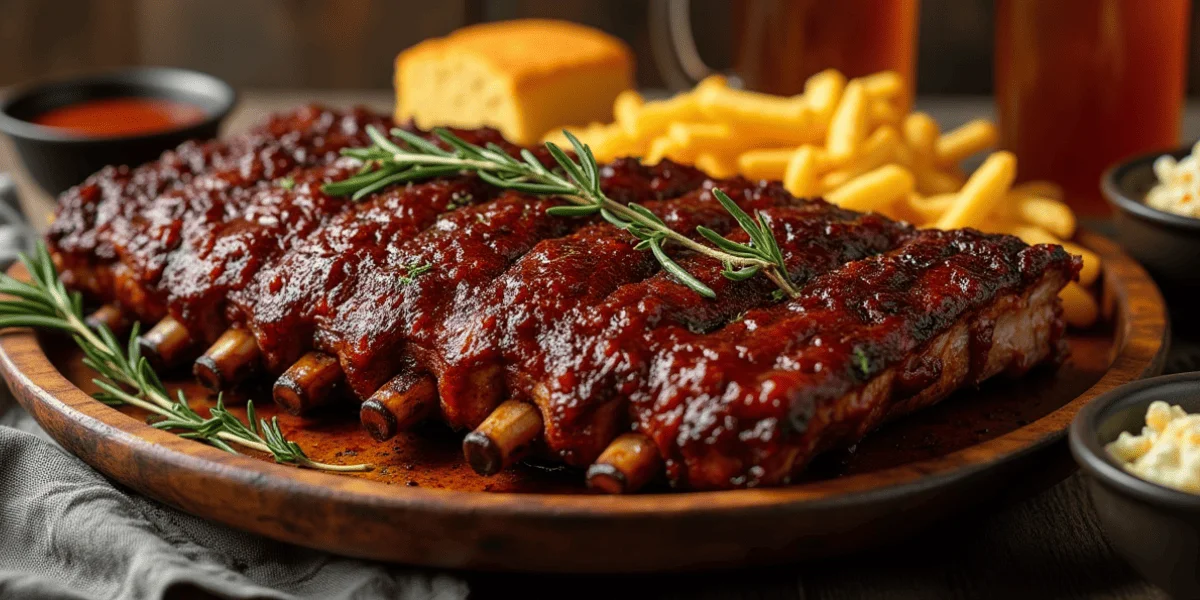
There’s something deeply satisfying about bringing a rack of beef back ribs to the table. Maybe it’s the dramatic look of those curved bones, the rich aroma of seasoned meat, or the promise of that first smoky, juicy bite. If you’ve ever ordered ribs at a barbecue restaurant and wondered why yours didn’t turn out quite the same at home, you’re not alone.
A lot of home cooks struggle with beef back ribs because they expect them to behave like pork ribs or boneless beef cuts. They don’t. These ribs need a different approach—one built around patience, steady heat, and the kind of seasoning that enhances the meat instead of overpowering it. Once you understand how beef back ribs work, they become one of the most rewarding cuts you can cook.
In this guide, you’ll learn exactly what beef back ribs are, how to choose the best rack, and the most reliable ways to cook beef back ribs until they’re tender, deeply savory, and absolutely worth the wait.
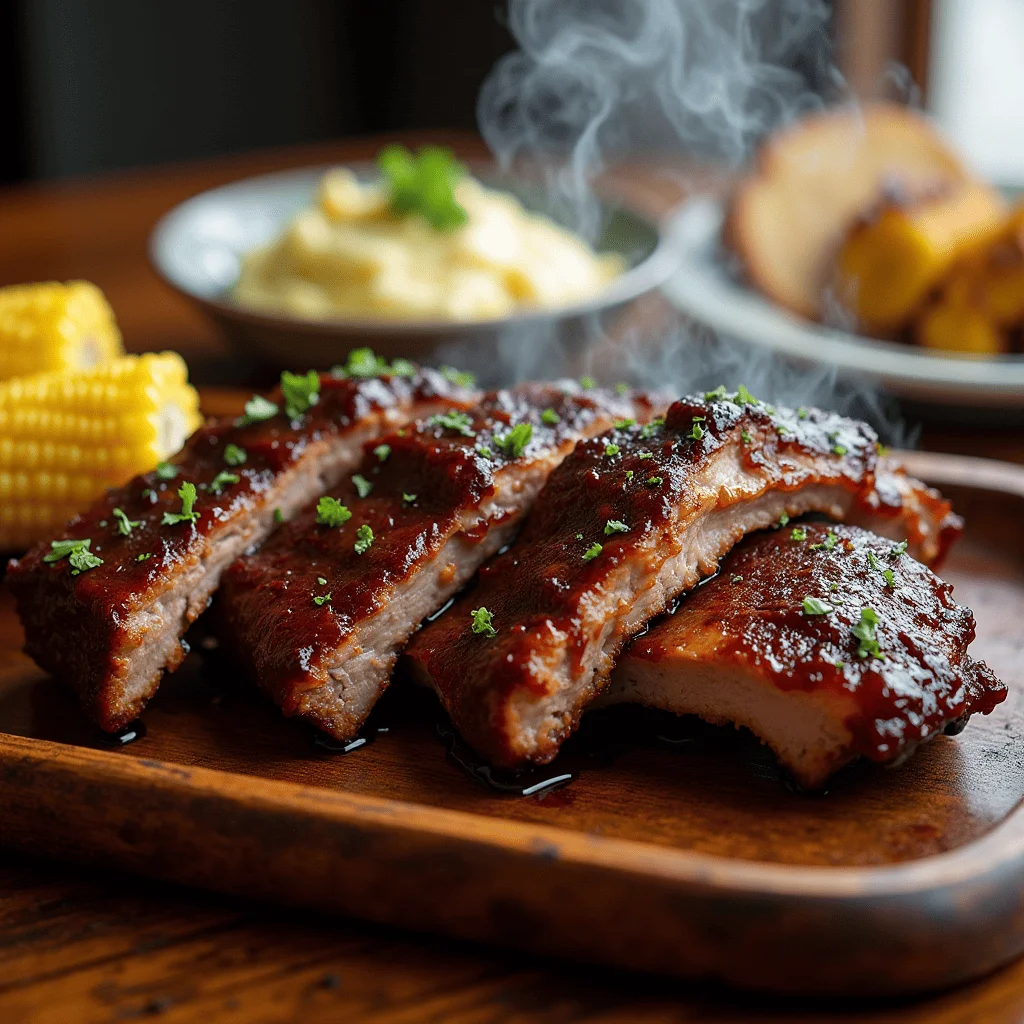

Beef back ribs
Ingredients
Method
- Preheat your smoker, grill, or oven to low heat, around 225°F to 250°F for smoking or 300°F for oven baking.
- Remove the membrane from the back of the beef back ribs.
- Pat the ribs dry with paper towels.
- Rub the ribs lightly with yellow mustard or olive oil.
- In a small bowl, mix the salt, black pepper, smoked paprika, garlic powder, onion powder, brown sugar, chili powder, cumin, and cayenne pepper.
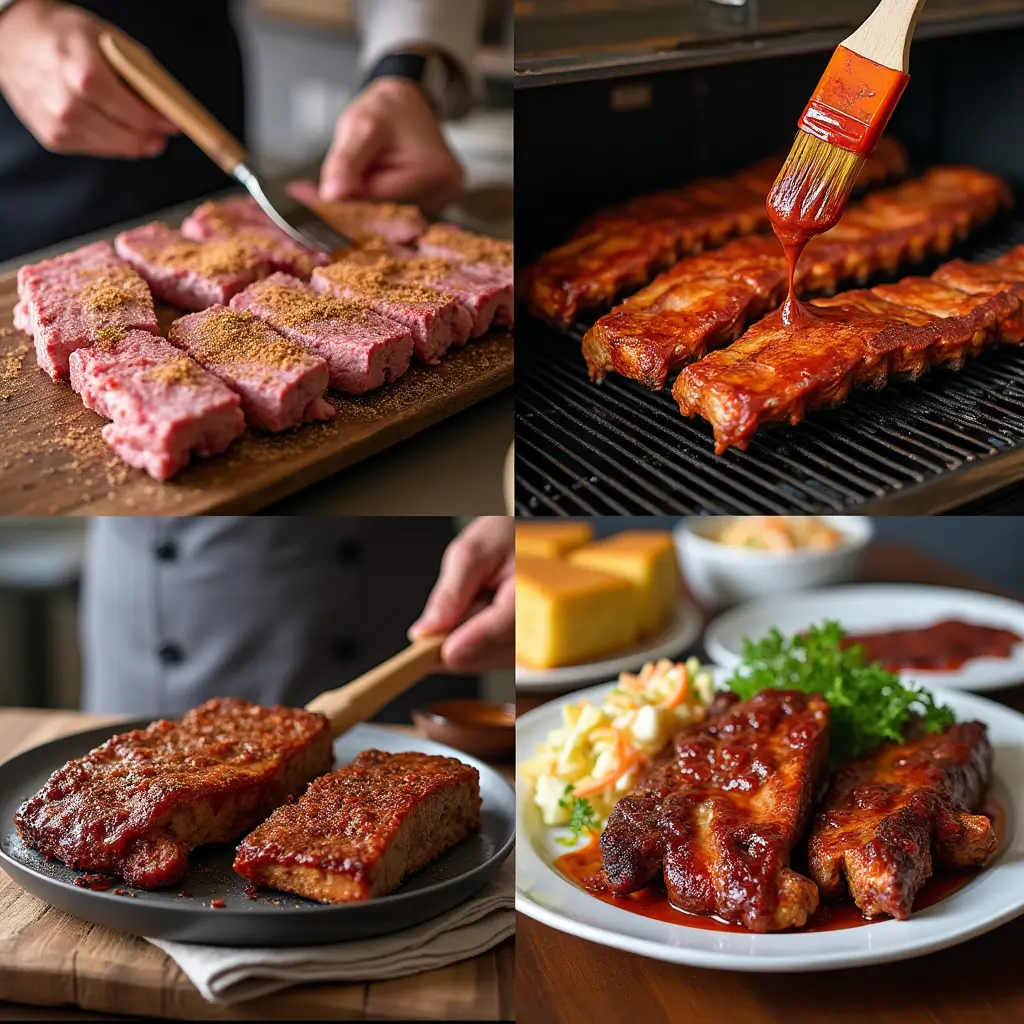
- Coat the beef back ribs evenly with the dry rub on all sides.
- Place the ribs in the smoker, grill over indirect heat, or in a covered baking dish in the oven.
- Cook low and slow until the ribs are tender and the internal temperature reaches about 190°F to 205°F.
- If desired, brush with barbecue sauce during the last 20 to 30 minutes of cooking.
- Remove the beef back ribs from the heat, let them rest for 10 minutes, then slice and serve.
What Are Beef Back Ribs and Why Are They So Flavorful?
If you’re new to cooking ribs, it helps to begin with the cut itself. Understanding where beef back ribs come from and what makes them unique will instantly improve your cooking decisions.
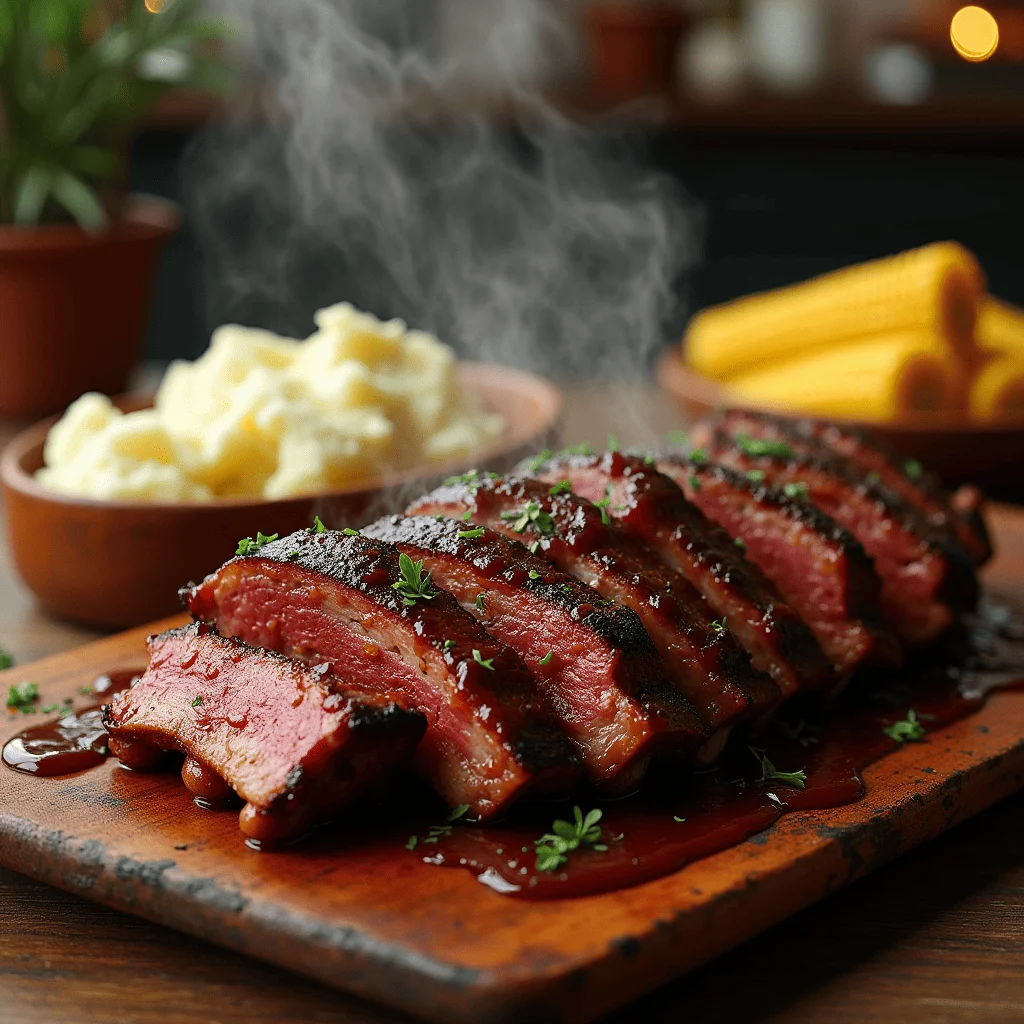
Beef back ribs come from the upper rib section of the cow, near the prime rib roast. When butchers remove the ribeye or prime rib from the bones, what remains becomes beef back ribs. That means the bones often have less meat on top than short ribs, but the meat between the bones is richly beefy and incredibly flavorful.
Here’s how beef back ribs compare to other popular cuts:
| Cut | Where It Comes From | Meat Content | Texture | Best Cooking Method |
|---|---|---|---|---|
| Beef back ribs | Upper rib/prime rib area | Moderate, between bones | Rich, slightly chewy if undercooked | Smoke, bake, grill low and slow |
| Beef short ribs | Plate or chuck area | High | Meaty, dense, succulent | Braise, smoke |
| Pork baby back ribs | Pig loin area | Moderate | Tender, leaner flavor | Bake, grill, smoke |
| Spare ribs | Lower pork rib area | Higher fat | Juicy, rich | Smoke, grill |
Because beef back ribs come from near the rib roast, they deliver a robust beef flavor that many people find more intense than pork ribs. They also contain connective tissue and collagen, which break down beautifully during long cooking.
What to Look for When Buying Beef Back Ribs
Not all beef back ribs are equally meaty. Some racks are cut very close to the bone, leaving little meat behind, while others still have a generous layer attached.
When shopping for beef back ribs, look for:
- Visible meat between and on top of the bones
- Even thickness across the rack
- Good marbling, which helps keep the ribs moist
- Fresh color, ideally bright red with creamy white fat
- Minimal drying or dark edges
If possible, ask your butcher for the meatiest rack of beef back ribs. A knowledgeable butcher can make a big difference here. USDA guidance also emphasizes safe handling and proper cooking temperatures for beef, so keeping ribs refrigerated and using a thermometer is important from the start.
How to Cook this recipe for the Best Texture
The biggest mistake people make with beef back ribs is cooking them too hot and too fast. This cut needs time. Low-and-slow cooking allows fat to render and collagen to soften, which transforms the ribs from chewy to tender.
Best Methods for Cooking this recipe
There are three excellent ways to make beef back ribs, and the best option depends on your equipment and flavor preference.
1. Smoked Beef Back Ribs
If you want maximum barbecue flavor, smoking is hard to beat. Beef back ribs take on smoke beautifully, especially from woods like hickory, oak, mesquite, or applewood.
Best for:
- Deep smoky flavor
- Traditional barbecue texture
- Outdoor cooking enthusiasts
Typical smoker temperature:
- 225°F to 250°F
Typical cooking time:
- 4.5 to 6 hours, depending on size and thickness
2. Oven Baked Beef Back Ribs
If you don’t have a smoker, the oven is a fantastic alternative. Oven-cooked can still be tender and flavorful, especially when baked covered for moisture and finished uncovered for bark or caramelization.
Best for:
- Easy indoor cooking
- Reliable temperature control
- Beginners
Typical oven temperature:
- 275°F to 300°F
Typical cooking time:
- 3 to 4 hours
3. Grilled Beef Back Ribs
You can also cook on a grill using indirect heat. This method gives you char, smoke, and outdoor flavor without needing a dedicated smoker.
Best for:
- Backyard cookouts
- Faster finishing after oven cooking
- Charred exterior texture
Typical grill setup:
- Indirect heat zone at 250°F to 300°F
Here’s a quick comparison:
| Cooking Method | Temperature | Average Time | Flavor Result | Difficulty |
|---|---|---|---|---|
| Smoker | 225–250°F | 4.5–6 hours | Deep smoky BBQ flavor | Moderate |
| Oven | 275–300°F | 3–4 hours | Rich, tender, less smoky | Easy |
| Grill (indirect) | 250–300°F | 3.5–5 hours | Smoky, charred edges | Moderate |
Ideal Temperature, Timing, and Doneness Tips
You don’t cook beef back ribs for a specific time alone—you cook them to the right texture. Time is a guideline, but tenderness is the real goal.
Internal Temperature
The USDA recommends a safe minimum temperature of 145°F for beef steaks and roasts, but beef back ribs need to go much further to become tender. For barbecue-style ribs, the sweet spot is usually:
- 190°F to 205°F internal temperature
At that range, the connective tissue has had time to break down. A probe or thermometer should slide in with little resistance.
Signs Your Beef Back Ribs Are Done
Look for these clues:
- The meat has pulled back slightly from the bones
- The bark looks set and flavorful
- A toothpick or probe slides in easily
- The rack bends without cracking apart completely
- The ribs feel tender, not rubbery
Use this timing guide as a reference:
| Rib Size / Method | Temp | Approx. Time | Doneness Goal |
|---|---|---|---|
| Small rack, smoker | 225°F | 4.5–5 hours | 190–205°F, probe tender |
| Large rack, smoker | 250°F | 5–6 hours | 190–205°F, bend test passes |
| Oven baked, covered then uncovered | 300°F | 3–4 hours | Tender with slight chew |
| Grill, indirect heat | 275°F | 3.5–5 hours | Barked exterior, tender center |
One extra tip: remove the membrane from the underside before seasoning. This thin silver skin can become tough and may block flavor from penetrating the underside of the recipe.
Best Beef Back Ribs Recipe, Seasoning, and Serving Ideas
Once you know how to cook beef back ribs, the next step is building flavor. The beauty of this cut is that it doesn’t need much. A good dry rub, proper cooking technique, and a little patience will do most of the work.
Simple Beef Back Ribs Dry Rub and Ingredient Table
A balanced dry rub should enhance the natural beefiness of beef back ribs, not bury it under sugar. Beef handles bold seasonings well, especially black pepper, garlic, onion, and paprika.
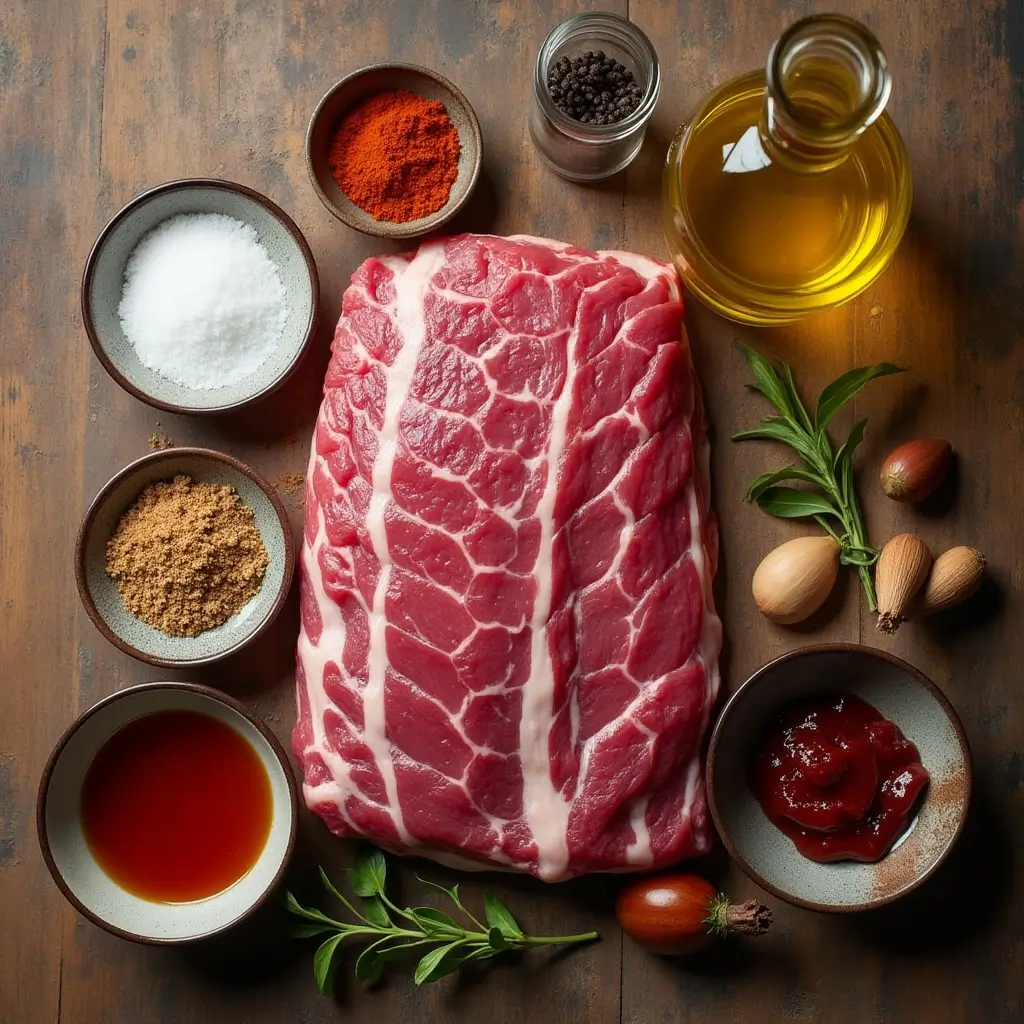
Beef Back Ribs Dry Rub Recipe
| Ingredient | Amount | Purpose |
|---|---|---|
| Kosher salt | 2 tbsp | Enhances flavor, helps tenderize |
| Coarse black pepper | 2 tbsp | Classic beef seasoning |
| Smoked paprika | 1 tbsp | Adds color and smoky depth |
| Garlic powder | 1 tbsp | Savory backbone |
| Onion powder | 1 tbsp | Sweet, aromatic depth |
| Brown sugar | 1 tbsp | Balances spice, aids bark formation |
| Chili powder | 1 tsp | Mild heat |
| Cumin | 1 tsp | Earthy warmth |
| Cayenne pepper | 1/2 tsp | Optional extra heat |
Basic Cooking Method
- Pat the beef back ribs dry with paper towels.
- Remove the membrane from the back.
- Lightly coat with mustard or oil as a binder, if desired.
- Apply the dry rub generously on all sides.
- Let the ribs rest for 30 minutes, or refrigerate for a few hours.
- Cook low and slow using your smoker, oven, or grill.
- Brush with BBQ sauce in the final 20–30 minutes if you want a sticky finish.
This method works whether you’re making classic barbecue beef back ribs or putting your own spin on them with coffee rubs, chipotle, or herb-forward blends.
Side Dishes, Sauces, and Serving Suggestions
The rich flavor of beef back ribs pairs best with sides that bring contrast. You want freshness, creaminess, acidity, or a little sweetness to balance the meat.
Great side dish options include:
- Coleslaw
- Baked beans
- Cornbread
- Mac and cheese
- Potato salad
- Pickles and onions
- Roasted vegetables
- Grilled corn
Here’s a quick pairing table:
| Side Dish | Why It Works With Beef Back Ribs |
|---|---|
| Coleslaw | Crunchy and acidic, cuts richness |
| Baked beans | Sweet-savory barbecue classic |
| Cornbread | Soft, slightly sweet contrast |
| Mac and cheese | Comfort-food pairing |
| Pickles | Bright acidity balances fat |
| Grilled corn | Smoky sweetness complements beef |
Sauce is optional. Some people prefer dry with only rub and smoke, while others love a glossy BBQ finish. If you use sauce, apply it near the end so it doesn’t burn.
You can also slice individually and serve them on a platter for parties, game day spreads, or family cookouts. They’re dramatic, satisfying, and always conversation starters.
Common Mistakes to Avoid With Beef Back Ribs
Even good cooks can get tripped up by beef back ribs if they treat them like another cut. Avoid these mistakes:
- Cooking too hot: High heat tightens the meat before collagen breaks down.
- Skipping the membrane removal: This can lead to a tougher bite.
- Under-seasoning: Beef can handle bold seasoning.
- Not using a thermometer: Guesswork makes results inconsistent.
- Pulling them too early: If they’re chewy, they likely need more time.
- Over-saucing too soon: Sugary sauces can burn before the ribs finish cooking.
Conclusion
When you cook beef back ribs the right way, you get a meal that feels special without needing complicated ingredients. The cut is intensely beefy, satisfying, and ideal for low-and-slow cooking. Whether you smoke, bake, or grill them, the keys are simple: choose a meaty rack, season confidently, cook gently, and wait for true tenderness.
If you’ve been intimidated by beef back ribs, now you know exactly how to approach them. With the right method, you can come out juicy, flavorful, and tender enough to rival your favorite barbecue spot.
Try this today, and if you make your own version of beef back ribs, share your thoughts below or pass this guide along to another rib lover.
FAQ:
What are beef back ribs?
Ribs are cut from the upper rib section of the cow, near the prime rib area. They usually have most of the meat between the bones rather than a thick layer on top, but are prized for their rich, beefy flavor.
How long do beef back ribs take to cook?
usually take about 4.5 to 6 hours in a smoker at 225°F to 250°F, or about 3 to 4 hours in the oven at 275°F to 300°F. The exact time depends on the thickness of the beef back ribs and whether they’ve reached a tender internal temperature around 190°F to 205°F.
Are beef back ribs tough?
This recipe can be tough if you cook them too quickly or pull them off too early. But when beef back ribs are cooked low and slow, their connective tissue breaks down, and the meat becomes much more tender and enjoyable.
What is the best way to cook this recipe?
The best way to cook this recipe depends on your setup. Smoking gives beef back ribs the deepest barbecue flavor, while oven baking is easiest and most beginner-friendly. In both cases, low heat and enough time are essential.
Should you sauce this recipe?
You can sauce beef back ribs if you like a sticky barbecue finish, but many people prefer this recipe with just a dry rub so the natural beef flavor stands out. If you use sauce, add it near the end of cooking.
What temperature are beef back ribs done?
For the best texture, this recipe is usually done when they reach about 190°F to 205°F internally and feel tender when probed. While lower temperatures may be safe, beef back ribs need extra cooking time to become tender.


