

Maroulosalata (Traditional Greek Lettuce Salad)
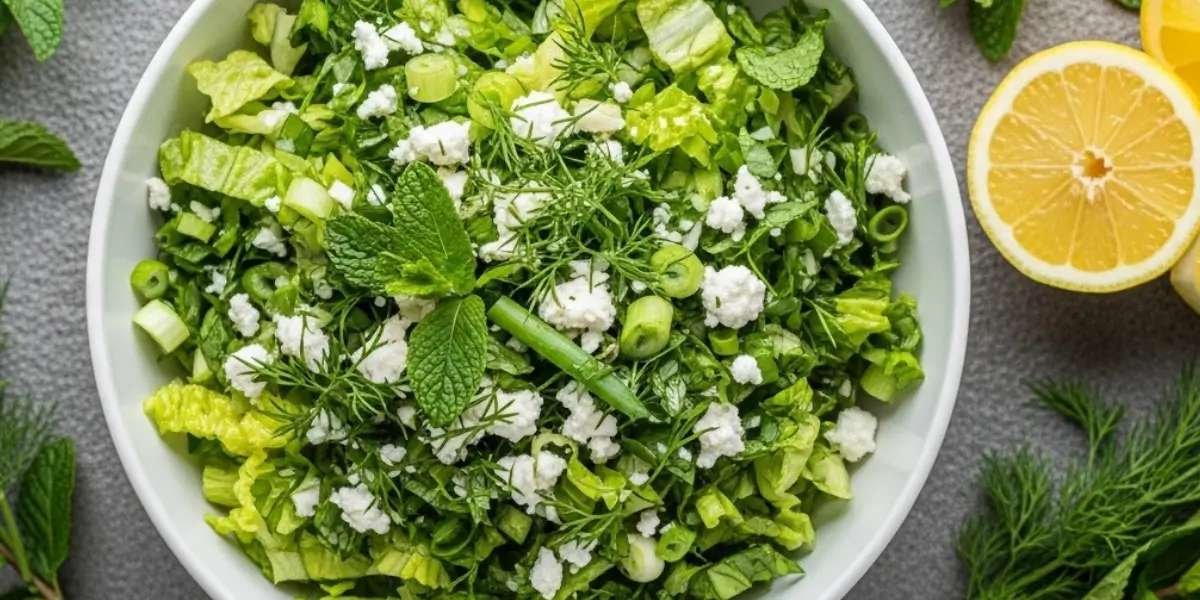
Have you ever stood in your kitchen on a sweltering afternoon, craving something fresh and vibrant but feeling utterly uninspired by yet another boring salad? I’ve been there—staring into the fridge, knowing there’s lettuce wilting in the crisper drawer, wondering if there’s any way to make it actually exciting. That’s exactly when maroulosalata entered my life and changed everything I thought I knew about simple salads.
This isn’t just another lettuce salad. Maroulosalata (pronounced mah-roo-loh-sah-LAH-tah) is Greece’s answer to making the humble head of lettuce sing with Mediterranean flavor. With its crisp romaine base, zingy lemon-olive oil dressing, and fresh dill and scallions dancing through every bite, this traditional Greek salad proves that simplicity, when done right, is pure magic. Whether you’re planning a summer gathering, looking for a lighter side dish, or simply want to bring a taste of the Greek islands to your dinner table, maroulosalata deserves a spot in your culinary repertoire.
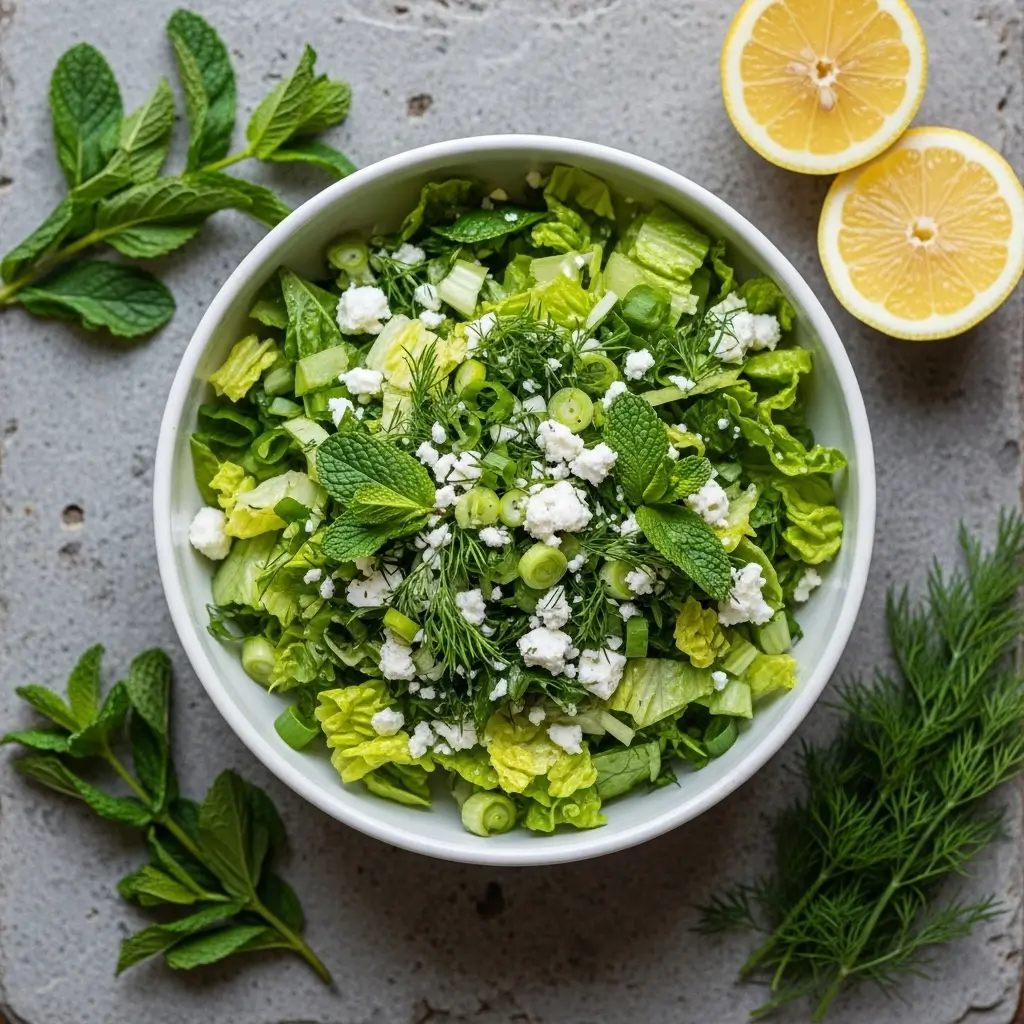

Maroulosalata (Greek Lettuce Salad)
Ingredients
Method
- Step 1: Wash the romaine lettuce thoroughly and spin or pat completely dry. Chop into 1-inch ribbons and place in a large salad bowl.
- Step 2: Thinly slice the scallions (both white and green parts) on a bias. Finely chop the fresh dill.
- Step 3: In a small bowl, whisk together the fresh lemon juice and sea salt until the salt dissolves completely.
- Step 4: Slowly drizzle the extra virgin olive oil into the lemon-salt mixture while whisking constantly to create an emulsified dressing
- Step 5:Add the sliced scallions and chopped fresh dill to the bowl with the romaine lettuce.
- Step 6: Pour the lemon-olive oil dressing over the salad just before serving. Toss gently but thoroughly using salad tongs or your hands until every leaf is coated.
- Step 7: Taste and adjust seasoning with additional salt or pepper if needed. Serve immediately for the best texture and freshn
What Makes Maroulosalata Different from Other Greek Salads?
When most people think of Greek salad, they immediately picture the iconic horiatiki—that chunky mix of tomatoes, cucumbers, onions, olives, and feta cheese. But maroulosalata takes a completely different approach, focusing on the often-overlooked beauty of fresh lettuce dressed simply but brilliantly.
The Core Philosophy: Freshness Over Complexity
The genius of maroulosalata lies in its restraint. Unlike heavier salads loaded with multiple vegetables and toppings, this Greek lettuce salad celebrates the crisp, refreshing quality of romaine lettuce. The dressing—a perfect emulsion of extra virgin olive oil, fresh lemon juice, and a pinch of salt—enhances rather than masks the natural flavors. It’s the kind of dish that reminds you why less is often more.
What sets maroulosalata apart is how it treats lettuce as the star ingredient, not just the supporting actor. Each leaf should be fresh, crisp, and substantial enough to hold the dressing without wilting. This is why romaine lettuce is the traditional choice—its sturdy texture and slightly sweet flavor make it ideal for this preparation.
Regional Variations Across Greece
While the basic formula remains consistent, you’ll find delightful variations as you travel through different Greek regions:
- Island Style: Coastal areas often add a sprinkle of dried oregano or fresh mint to complement seafood dishes
- Mainland Additions: Some regions incorporate thinly sliced radishes for extra crunch and peppery bite
- Modern Twists: Contemporary Greek restaurants sometimes top maroulosalata with crumbled feta cheese or toasted pine nuts, though purists might protest
The beauty of these variations is that they all respect the original concept: keeping the salad light, fresh, and focused on quality ingredients rather than complicated techniques.
How to Make Authentic Maroulosalata: A Step-by-Step Guide
Creating the perfect maroulosalata is surprisingly simple, but attention to detail makes all the difference. Your success hinges on three factors: choosing the right ingredients, preparing them properly, and timing the assembly just right.
Essential Ingredients and Preparation

Here’s what you’ll need for an authentic Greek lettuce salad that serves 4-6 people:
| Ingredient | Quantity | Notes |
|---|---|---|
| Romaine lettuce | 1 large head (about 12-14 oz) | Choose crisp, dark green outer leaves |
| Scallions (green onions) | 3-4 stalks | Use both white and green parts |
| Fresh dill | 1/4 cup, chopped | Must be fresh, not dried |
| Extra virgin olive oil | 1/3 cup | Use Greek or high-quality Italian |
| Fresh lemon juice | 3 tablespoons | From about 1.5 lemons |
| Sea salt | 1 teaspoon | Adjust to taste |
| Black pepper | 1/4 teaspoon | Freshly ground (optional) |
Preparation Tips:
- Wash your romaine lettuce thoroughly and spin it completely dry—excess water will dilute your dressing
- Chop the lettuce into roughly 1-inch ribbons for easy eating
- Slice scallions thinly on a bias for visual appeal and even distribution
- Chop fresh dill just before using to preserve its aromatic oils
The Perfect Assembly Technique
Unlike many salads that benefit from preparation, maroulosalata should be assembled just before serving. Here’s why: the lemon juice and salt in the dressing will start to wilt the lettuce if given too much time. Follow these steps for optimal results:
- Create your dressing base: In a small bowl, whisk together lemon juice and salt until the salt dissolves
- Emulsify the dressing: Slowly drizzle in the olive oil while whisking constantly to create a smooth, cohesive dressing
- Combine in a large bowl: Place chopped lettuce, sliced scallions, and fresh dill in your largest salad bowl
- Dress at the last moment: Pour the dressing over the salad just before serving
- Toss gently but thoroughly: Use your hands or salad tongs to ensure every leaf gets coated without bruising the lettuce
The result should be a glistening, aromatic salad where each component remains distinct yet harmonious—the crisp lettuce providing crunch, the scallions adding bite, and the dill offering that unmistakable fresh, slightly anise-like flavor that defines Greek cuisine.
Pairing Maroulosalata with Your Meals and Maximizing Its Benefits
One of the most appealing aspects of maroulosalata is its incredible versatility. This Greek lettuce salad isn’t just a side dish—it’s a culinary chameleon that adapts beautifully to various dining occasions and dietary needs.
Perfect Pairings and Serving Suggestions
Maroulosalata shines alongside both traditional Greek dishes and international cuisines:
With Greek Mains:
- Grilled fish (like sea bass or red snapper) benefits from maroulosalata’s refreshing acidity
- Souvlaki or grilled lamb skewers find balance with the salad’s crisp lightness
- Moussaka or pastitsio (rich, baked dishes) need maroulosalata’s palate-cleansing properties
- Spanakopita gains a fresh counterpoint from this simple salad
Beyond Greek Cuisine:
- Roasted chicken finds a perfect companion in this lemon-dressed salad
- Grilled steak or burgers benefit from the Mediterranean freshness
- Pasta dishes, especially those with olive oil-based sauces, pair wonderfully
- As a bed for grilled shrimp or scallops, creating a complete light meal
Health Benefits and Nutritional Value
Your maroulosalata isn’t just delicious—it’s genuinely good for you. Let’s break down the nutritional benefits:
| Component | Health Benefits | Nutritional Highlights |
|---|---|---|
| Romaine Lettuce | High in vitamins A, K, and folate; supports bone health and vision | Only 8 calories per cup, rich in fiber |
| Extra Virgin Olive Oil | Heart-healthy monounsaturated fats; anti-inflammatory properties | Contains powerful antioxidants and oleocanthal |
| Fresh Lemon Juice | Vitamin C boost; aids digestion and immune function | Alkalizing despite acidic taste; supports liver health |
| Fresh Dill | Antioxidant-rich; traditionally used for digestive support | Contains vitamins A and C, plus calcium and iron |
| Scallions | Quercetin and other antioxidants; supports cardiovascular health | Low calorie, high in vitamin K and folate |
Why This Matters for Your Diet:
A typical serving of maroulosalata contains approximately 120-150 calories, with most coming from the healthy fats in olive oil. This makes it an excellent choice for:
- Mediterranean diet followers seeking authentic recipes
- Those managing their weight while wanting satisfying, flavorful food
- Anyone looking to increase their vegetable intake without feeling deprived
- People with dietary restrictions (naturally gluten-free, dairy-free, vegan)
The combination of fiber from the lettuce and healthy fats from the olive oil creates a surprisingly satiating dish that won’t leave you hungry an hour later. Plus, the fresh herbs and lemon juice stimulate digestion, making maroulosalata an ideal starter for heavier meals.

Conclusion: Bringing Greek Simplicity to Your Table
Maroulosalata reminds us that great food doesn’t require complexity—it requires respect for ingredients and an understanding of how simple flavors can create something memorable. This traditional Greek lettuce salad has survived generations precisely because it delivers maximum flavor with minimal fuss, making it perfect for our busy modern lives.
Whether you’re hosting a summer barbecue, looking for a lighter lunch option, or simply want to add more Mediterranean-inspired dishes to your repertoire, maroulosalata offers a refreshing solution. The crisp romaine, vibrant fresh dill, zesty lemon-olive oil dressing, and sharp scallions combine to create something far greater than the sum of its parts.
The next time you find yourself reaching for that head of lettuce in your fridge, remember: you’re just a few minutes and a handful of ingredients away from transporting your taste buds straight to a sun-drenched Greek taverna. Your summer table deserves this kind of simple, satisfying brilliance.
Ready to try maroulosalata today? Gather your ingredients, embrace the simplicity, and discover why Greeks have been making this salad for generations. Share your experience in the comments below—did you stick with the traditional recipe, or did you add your own twist? We’d love to hear how this Greek classic finds its place at your table!
Frequently Asked Questions About Maroulosalata
Q: What type of lettuce is best for maroulosalata?
A: Romaine lettuce is the traditional and best choice for authentic maroulosalata. Its sturdy, crisp leaves hold up beautifully to the lemon-olive oil dressing without wilting immediately, and its slightly sweet flavor complements the sharp scallions and aromatic dill perfectly. While you could substitute with other lettuce varieties like butter lettuce or green leaf, they tend to wilt more quickly and won’t provide the same satisfying crunch that makes this Greek lettuce salad so appealing.
Q: Can I make maroulosalata ahead of time, or should it be served fresh?
A: Maroulosalata is best assembled and dressed immediately before serving. The acid in the lemon juice and the salt in the dressing will cause the lettuce to wilt and release water if the salad sits for more than 15-20 minutes. However, you can prep your ingredients ahead—wash and chop the lettuce, slice the scallions, chop the dill, and prepare the dressing separately. Store the prepared lettuce in a sealed container with paper towels to absorb moisture, keep the dressing in a jar, and simply combine them just before serving for optimal freshness and texture.
Q: How can I customize maroulosalata while keeping it authentic?
A: While traditional maroulosalata is delightfully simple, there are several ways to customize your Greek lettuce salad without straying too far from its roots. Popular variations include adding crumbled feta cheese on top for extra richness, incorporating thinly sliced radishes for additional crunch and color, or sprinkling with dried oregano for a more herbaceous profile. Some Greek cooks add a handful of fresh mint along with the dill for an extra layer of freshness. You might also include cucumber slices or cherry tomatoes, though at that point, you’re starting to move toward a hybrid between maroulosalata and horiatiki (the traditional Greek salad). The key is maintaining the balance—any additions should complement rather than overwhelm the crisp lettuce and bright dressing that define this classic dish.


