

Basic chicken stock recipe
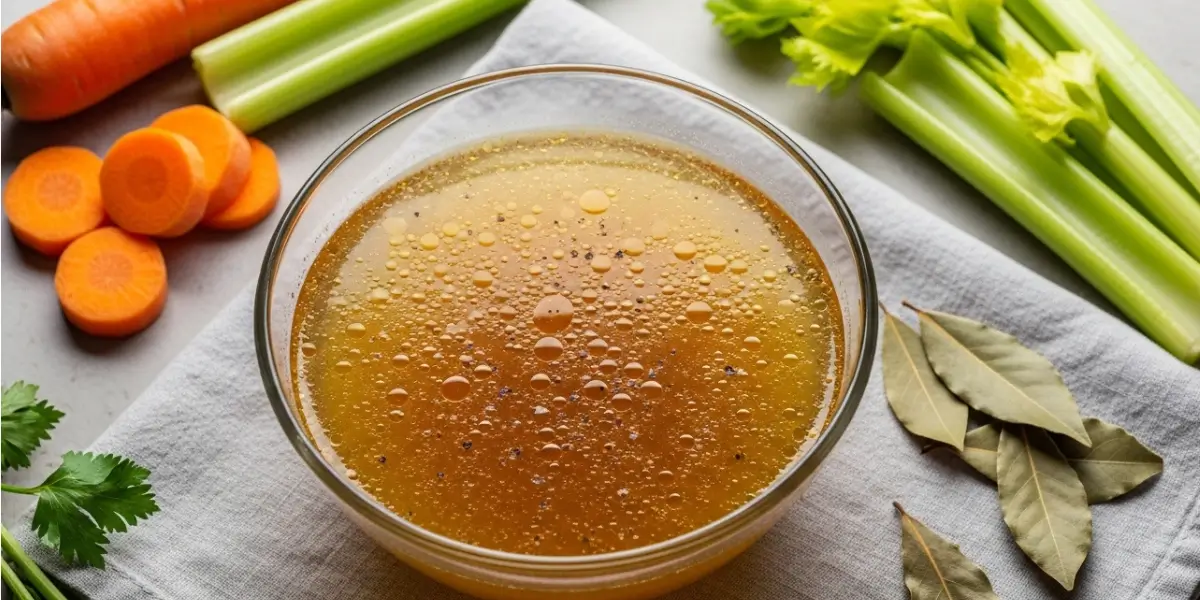
Remember the last time you opened a can or carton of store-bought broth and were met with a vague, salty liquid that tasted more like water than chicken? There’s a profound difference between that and a deeply golden, aromatic homemade chicken stock recipe simmering on your own stove.
It’s the soul of your soups, the secret to your risottos, and the magic behind your gravies. It’s the liquid gold that turns a simple weeknight chicken noodle soup into a healing potion and elevates a basic pot of rice into something extraordinary. In this guide, you’ll learn not just a method, but the why behind each step, empowering you to make the most flavorful foundation for your cooking. Let’s dive into the art of this essential chicken stock recipe.

Easy chicken stock recipe
Ingredients
Method
- (Optional for brown stock) Preheat oven to 400°F. Place bones and chopped vegetables on a baking sheet. Roast for 45 minutes until browned.
- Place bones and vegetables in a large stockpot. Cover with cold water.
- Bring to a very gentle simmer over medium heat. Do not boil.
- Reduce heat to low. Skim off any foam/scum that rises to the surface in the first 20-30 minutes.
- Add parsley, thyme, bay leaves, and peppercorns.
- Partially cover and simmer gently for 4 to 6 hours, occasionally skimming fat.
- Carefully strain the stock through a fine-mesh sieve into a large bowl. Discard solids.
- Let cool, then refrigerate. Remove solidified fat from the top before using.
Why Your Kitchen Needs This Chicken Stock Recipe
Before we get to the pot, let’s talk about the “why.” Making your own stock isn’t just a chef’s flex; it’s a practical, rewarding habit that pays dividends in flavor, health, and sustainability.
Flavor & Nutrition: Beyond the Carton
A true homemade chicken stock recipe extracts gelatin from bones and connective tissue, resulting in a broth that is richly textured, deeply savory, and packed with body. This gelatin gives sauces a luxurious mouthfeel and soups a satisfying richness. Unlike commercial versions, which often rely on flavor enhancers and can be high in sodium, your homemade version contains only the natural flavors you choose to add. You control the salt. You control the ingredients. The result is a pure, nutrient-rich base that forms the backbone of truly memorable meals.
Zero-Waste Cooking: The Ultimate Kitchen Hack
This chicken stock recipe is the hero of a sustainable kitchen. Instead of tossing chicken bones from last night’s roast, vegetable peels, and herb stems, you give them a glorious second act. A leftover roast chicken carcass, wing tips saved in the freezer, or even bones from drumsticks become the foundation of your stock. It’s economical, reduces food waste dramatically, and makes you feel like a kitchen wizard.

Ingredients & Equipment for the Perfect Homemade Chicken Stock
Great stock starts with great ingredients, but don’t let that intimidate you. This chicken stock recipe is forgiving and flexible.
The Essential Components
At its core, a classic chicken stock recipe needs just a few key players:
| Ingredient | Purpose & Tips |
|---|---|
| Chicken Bones (2-3 lbs) | The foundation. Use a leftover roasted carcass, raw backs/necks/wings, or a mix. Roasted bones add deeper color and flavor. |
| Aromatics: Onion, Carrot, Celery (1-2 of each) | The classic mirepoix. No need to peel perfectly; just chop roughly. |
| Water (10-12 cups) | Use cold water to start for a clearer stock. Enough to cover everything by an inch or two. |
| Herbs: Bay Leaf, Peppercorns, Parsley, Thyme | The supporting cast. Use fresh or dried. A bay leaf is non-negotiable for its subtle depth. |
Optional Flavor Boosters & Your Tool Kit
Feel free to add a halved head of garlic, a few mushroom stems, a tomato, or a Parmesan rind for complexity. Avoid strongly flavored veggies like broccoli or cauliflower.
For equipment, you’ll need a large stockpot or Dutch oven (8-quart is ideal), a fine-mesh strainer or colander lined with cheesecloth, and storage containers (mason jars or freezer-safe bags). A slow cooker or Instant Pot also works beautifully for this chicken stock recipe.

Mastering the Method: Step-by-Step Instructions
Now for the main event. This process is more about patience than skill.
To Roast or Not to Roast?
This choice defines the character of your final chicken stock recipe.
| Raw (White) Stock | Roasted (Brown) Stock |
|---|---|
| Lighter in color and flavor. | Deeper, richer, and more amber in color. |
| Perfect for delicate soups, velouté sauce, or poaching. | Ideal for hearty soups, stews, gravies, and risotto. |
| Method: Place raw bones and mirepoix directly in the pot with cold water. | Method: Toss bones and veggies with a little oil, roast at 400°F for 45 mins until browned, then transfer to pot. |
The Simmer, Strain, and Store Process
- Combine: Place your chosen bones (roasted or raw) and chopped vegetables in your large pot. Cover with cold water by about 2 inches.
- Slow Start: Bring to a very gentle simmer over medium heat. This is crucial. A rolling boil will make your stock cloudy. You want to see just a few small bubbles breaking the surface.
- Simmer & Skim: Reduce the heat to low. A scum (coagulated protein) will rise to the top in the first 20-30 minutes. Gently skim this off with a spoon for a cleaner stock. Add your herbs and peppercorns.
- Patient Cook: Let it simmer, partially covered, for 4 to 6 hours (or 8-12 in a slow cooker on low). The longer it cooks, the more flavor and gelatin you extract. Top up with a bit of hot water if the bones become exposed.
- Strain: Carefully pour the stock through a fine-mesh strainer into a large bowl or another pot. Discard the solids—they’ve given all their flavor.
- Cool & Store: Let the stock cool to room temperature before refrigerating. As it chills, the fat will solidify on top—you can easily remove it. Store in airtight containers for up to 5 days in the fridge or up to 6 months in the freezer.
Conclusion
Embracing this chicken stock recipe transforms you from a cook into a culinary architect. You gain control over flavor and sodium, reduce food waste, and infuse your dishes with a richness that simply can’t be bought. That golden jar in your freezer is more than just broth; it’s potential. It’s the promise of a quick, incredible meal on a busy night. Start with this classic method, make it your own, and taste the difference in everything you create.
Ready to transform your cooking? Make a batch of this chicken stock recipe this weekend and share your favorite way to use it in the comments below!
FAQ Section
Q: What’s the difference between a chicken stock recipe and a chicken bone broth recipe?
A: While very similar, a traditional chicken stock recipe is typically simmered for 4-6 hours and uses a mix of bones and meaty pieces, while bone broth emphasizes longer cooking (often 12-24 hours) of mostly bones and joints to extract maximum gelatin and collagen. For most home cooking, this classic chicken stock recipe is ideal.
Q: Can I make this chicken stock recipe in a pressure cooker like an Instant Pot?
A: Absolutely! An Instant Pot is a fantastic tool for a quick chicken stock recipe. Combine all ingredients, seal, and cook on high pressure for 45 minutes to 2 hours, followed by a natural release. You get incredibly rich flavor in a fraction of the time.
Q: How can I make sure my homemade chicken stock recipe is clear and not cloudy?
A: The key to a clear chicken stock recipe is starting with cold water, bringing it to a very gentle simmer (not a rolling boil), and skimming the scum that rises in the first 30 minutes. Avoid stirring the stock once it’s simmering.


