

The Best Gluten Free Bread for Sandwiches and Toast
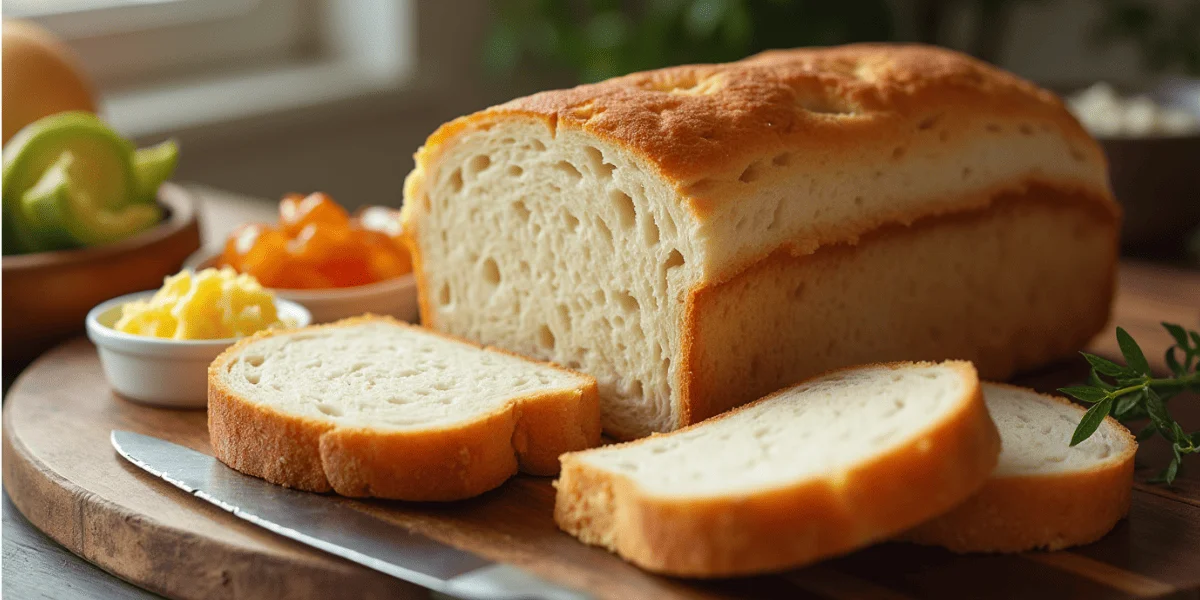
Finding the best gluten free bread can feel like searching for a needle in a haystack. If you’ve ever bitten into a dry, crumbly slice or struggled to make a sandwich that holds together, you’re not alone. For those with celiac disease, gluten intolerance, or a commitment to a gluten-free lifestyle, the bread aisle can be overwhelming with choices that often fail to deliver.
But here’s the good news: the days of compromising on texture and flavor are over. Whether you’re crafting a hearty sandwich or craving the perfect slice of toast with your morning coffee, the right gluten-free bread can elevate your meals from ordinary to extraordinary. By understanding what to look for—whether it’s the ingredients, texture, or nutritional value—you’ll discover bread that not only meets your dietary needs but also delights your taste buds.
In this guide, we’ll explore the best gluten free bread options for sandwiches and toast, including top store-bought brands and homemade recipes that are easy to master. You’ll learn how to make informed choices, get practical storage tips, and even discover creative ways to enjoy your gluten free bread. Let’s dive in and make your gluten-free journey both delicious and satisfying!

Homemade Gluten-Free Sandwich Bread
Ingredients
Method
- Step 1 Combine warm water, sugar, and instant yeast in a small bowl. Let sit for 5 to 7 minutes until the mixture becomes foamy.
- Step 2 In a large mixing bowl, whisk together gluten-free flour blend, psyllium husk powder, xanthan gum, and salt until evenly combined.
- Step 3 Add olive oil, apple cider vinegar, and eggs to the activated yeast mixture. Whisk until smooth.
- Step 4 Pour the wet ingredients into the dry ingredients. Mix with a stand mixer fitted with a paddle attachment or a sturdy spatula for 3 to 4 minutes. The dough will be thick and sticky, similar to a thick batter.
- Step 5 Transfer the dough into a greased 9×5-inch loaf pan. Smooth the top with a wet spatula. Cover with a damp towel and let rise in a warm place for 45 to 60 minutes, or until the dough reaches just above the rim of the pan.
- Step 6 Preheat the oven to 375°F (190°C). Bake for 35 to 45 minutes until the top is golden brown and the internal temperature reads 205°F (96°C) on an instant-read thermometer.
- Step 7 Remove from oven and let the bread cool completely on a wire rack for at least 1 hour before slicing. This step is essential — cutting too early will result in a gummy interior
Why Choosing the Best Gluten Free Bread Matters
When it comes to building a satisfying sandwich or enjoying a perfectly crisp piece of toast, not all gluten-free breads are created equal. Selecting the best gluten free bread isn’t just about avoiding gluten; it’s about finding a loaf that balances taste, texture, and nutrition, so you don’t have to compromise on your meals.
For many people living with celiac disease or gluten sensitivity, bread can be one of the hardest foods to replace. Poorly made gluten-free bread often crumbles under pressure, has a gritty texture, or lacks the flavor needed to complement your favorite toppings. However, the best gluten free bread is sturdy enough to hold your sandwich fillings and light enough to toast to golden perfection.
Beyond taste and texture, the right gluten free bread can also deliver added nutritional benefits. Some brands and recipes include ingredients like flaxseed, quinoa, or almond flour, which offer a boost of fiber, protein, and essential nutrients. By choosing high-quality options, you’re not only making a delicious choice but also supporting your overall health and energy levels.
Plus, the right bread can be a game-changer for your daily routine. Whether you’re packing a lunch, preparing breakfast, or whipping up a quick snack, the best gluten-free bread ensures you’ll enjoy every bite without worrying about crumbling slices or bland flavors.
So, why settle for less when you can have it all? By learning how to identify the top store-bought brands or even crafting your own homemade loaf, you’ll elevate your gluten-free meals in no time.
Are you ready to transform your sandwiches and toast with the best gluten free bread? Keep reading to discover the options that will make every bite a delight!
Top Store-Bought Brands of Gluten Free Bread
Finding the best gluten free bread in the store can feel overwhelming with so many options vying for your attention. Not all gluten free loaves are created equal; some deliver exceptional taste and texture, while others fall short in holding up to sandwich fillings or achieving the perfect toast. To make your decision easier, here’s a breakdown of the top store-bought brands that consistently satisfy both taste buds and dietary needs.
1. Udi’s Gluten Free Bread
- Best For: Toast lovers
- Why It Stands Out: Udi’s bread is known for its soft texture and toasts beautifully without becoming dry or crumbly. It’s a go-to for breakfast enthusiasts looking for a crispy yet flavorful base for toppings like avocado or peanut butter.
2. Canyon Bakehouse Gluten Free Bread
- Best For: Multi-purpose use
- Why It Stands Out: This brand delivers a robust flavor and sturdy texture that works well for both sandwiches and toast. Made with wholesome ingredients, it’s a favorite for those seeking a versatile gluten-free option.
3. Schär Artisan Baker Bread
- Best For: Sandwiches
- Why It Stands Out: Schär’s bread offers a perfect balance of softness and structure, making it ideal for sandwiches. Its pre-sliced loaves and long shelf life are additional perks for busy households.
Ingredient Comparison Table
| Brand | Main Ingredients | Unique Features |
|---|---|---|
| Udi’s | Tapioca starch, brown rice flour | Soft texture, great for toasting |
| Canyon Bakehouse | Sorghum flour, brown rice flour | Wholesome flavor, multi-purpose |
| Schär | Corn starch, rice flour | Pre-sliced, ideal for sandwiches |
By choosing from these trusted brands, you’re ensuring your sandwiches hold together, and your toast achieves the perfect crunch. Each offers a unique combination of ingredients and features, so you can find the one that fits your needs best.
Homemade Gluten Free Bread Recipes for Sandwiches and Toast
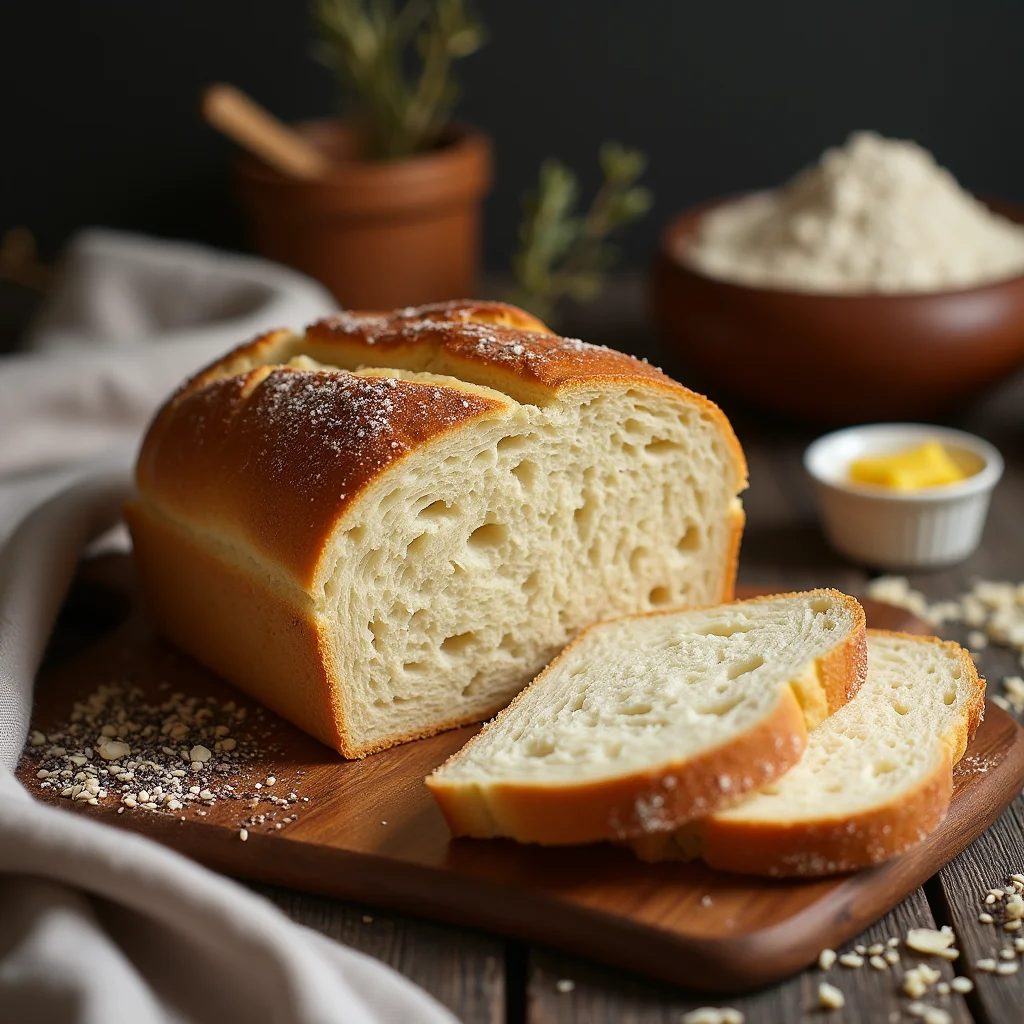
When it comes to enjoying the best gluten free bread, there’s something uniquely satisfying about making it yourself. Homemade gluten free bread not only gives you full control over the ingredients but also allows you to tailor the texture and flavor to suit your preferences. Whether you’re looking for a soft loaf for sandwiches or a slice that toasts to perfection, these recipes have you covered.
Why Go Homemade?
- Customization: Adjust the ingredients to fit your dietary needs (low sugar, vegan, or extra fiber).
- Freshness: Nothing beats the taste of bread fresh out of the oven.
- Cost-Effective: Making your own bread can save money compared to store-bought options.
1. Classic Gluten Free Sandwich Bread
This soft and sturdy bread is ideal for building hearty sandwiches.
Ingredients:
| Ingredient | Purpose | Substitutes |
|---|---|---|
| Brown rice flour | Base flour | Sorghum flour |
| Tapioca starch | Adds elasticity | Arrowroot starch |
| Xanthan gum | Binding agent | Psyllium husk |
| Warm water | Hydration | Milk (dairy or plant-based) |
| Olive oil | Adds moisture and flavor | Avocado oil |
Instructions: Combine the dry ingredients, mix in the wet ingredients, and bake for 45 minutes.
2. Rustic Toasting Bread
Designed for the perfect crunch, this recipe creates a loaf that holds up beautifully in the toaster.
Ingredients:
| Ingredient | Purpose | Substitutes |
|---|---|---|
| Sorghum flour | Adds a hearty flavor | Quinoa flour |
| Potato starch | Improves texture | Cornstarch |
| Baking powder | Leavening agent | Baking soda + vinegar |
| Eggs | Adds structure and richness | Flaxseed meal (vegan option) |
Instructions: Mix, pour into a loaf pan, and bake until golden brown for a crusty exterior.
3. Multigrain Gluten-Free Bread
Packed with nutrients, this loaf is perfect for those who want a healthier option.
Ingredients:
| Ingredient | Purpose | Substitutes |
|---|---|---|
| Millet flour | Adds nutrition and flavor | Amaranth flour |
| Chia seeds | Boosts fiber content | Flaxseeds |
| Honey | Natural sweetener | Maple syrup |
| Yeast | Helps the bread rise | Baking powder |
Instructions: Allow the dough to rise before baking for a light, airy texture.
Tips for Success
- Use a stand mixer for even mixing and to avoid overworking the dough.
- Let your bread cool completely before slicing to prevent crumbling.
- Store homemade gluten free bread in an airtight container or freeze slices for a longer shelf life.
Tips for Getting the Most Out of Your Gluten Free Bread
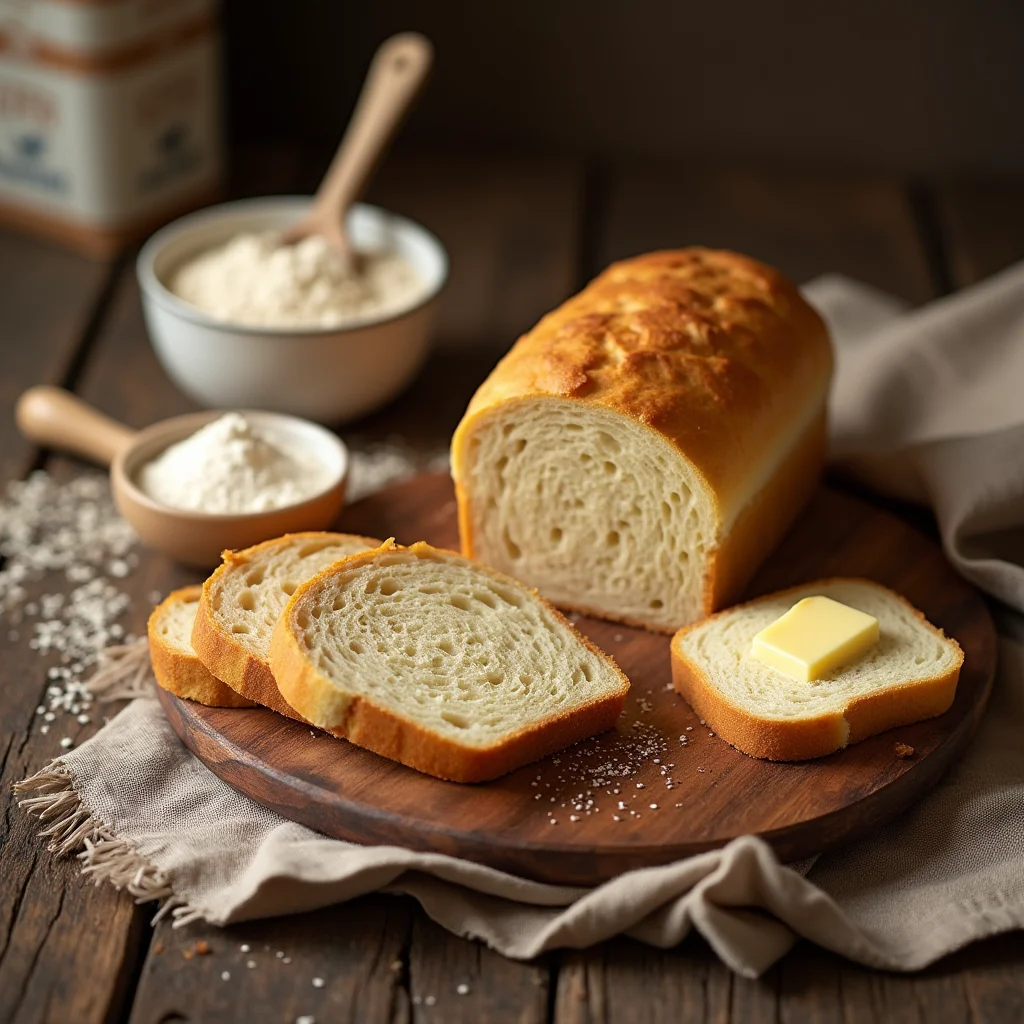
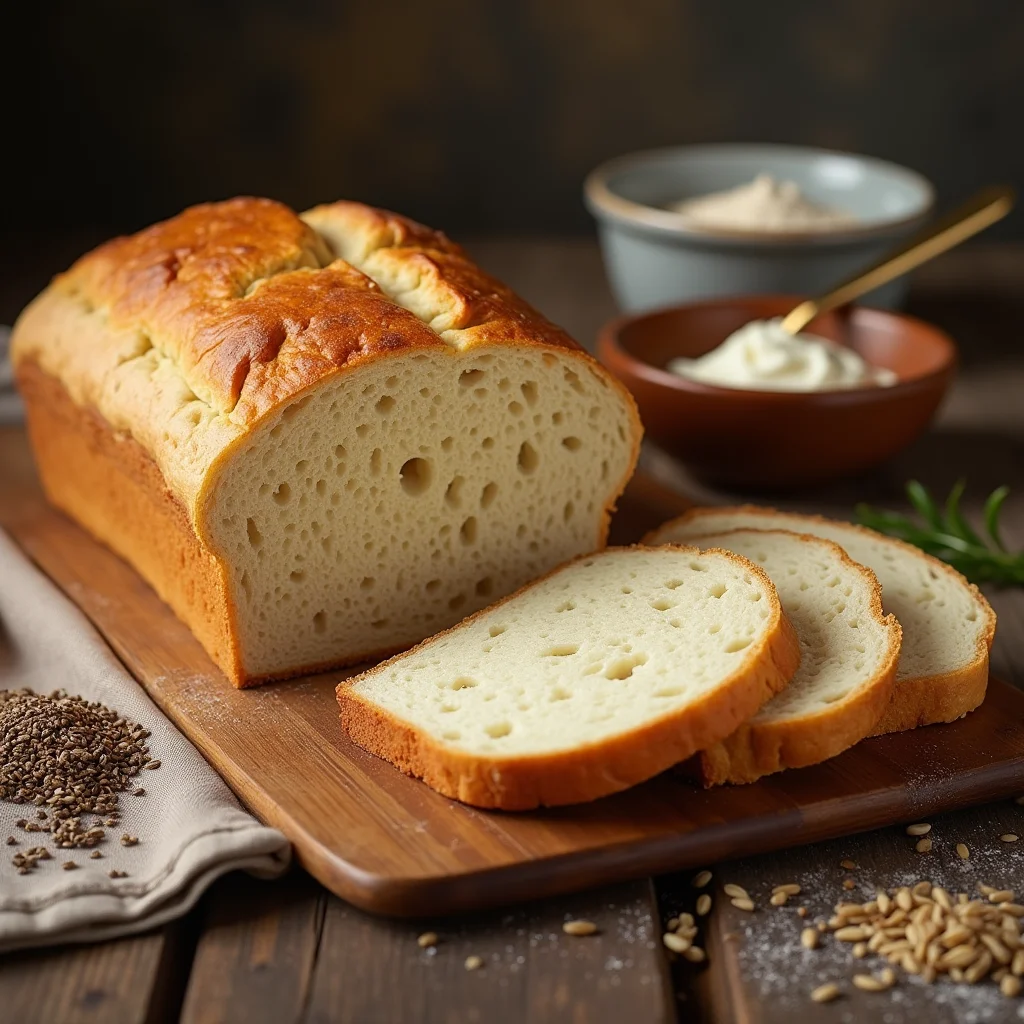
Once you’ve found or made the best gluten free bread, the next step is ensuring it stays fresh, flavorful, and ready to elevate your meals. Whether you’re toasting it for breakfast or layering it for a lunchtime sandwich, a little extra care can go a long way in preserving both the texture and taste. Here are some practical tips to help you get the most out of your gluten free bread:
1. Proper Storage to Keep Bread Fresh
Gluten free bread tends to dry out faster than traditional bread due to the lack of gluten, which acts as a binding agent. To maintain its softness:
- Store in an airtight container: This will prevent your bread from becoming stale too quickly.
- Freeze slices: If you can’t finish the loaf within a few days, freeze individual slices and toast them as needed. This method preserves the bread’s freshness and texture.
2. Toasting for the Perfect Crunch
One of the joys of gluten free bread is how well it toasts. However, not all loaves toast the same way, and some can become too dry or crumbly. To get the best results with the best gluten free bread:
- Lightly butter or oil the bread before toasting for extra crispiness and flavor.
- Use a medium heat setting on your toaster or pan. High heat can make the bread burn without giving it enough time to crisp properly.
- Double-toast for extra crunch: If you like your toast extra crispy, toast it once, then flip and toast the other side for a more even crunch.
3. Make Your Gluten Free Bread Go Further
Don’t limit your gluten free bread to just sandwiches and toast. There are plenty of ways to get creative:
- Turn it into breadcrumbs: Stale gluten free bread can be transformed into breadcrumbs for use in recipes like meatballs, breading, or casseroles.
- Use it in French toast: The best gluten free bread can be turned into a delicious breakfast treat. Soak your slices in a mixture of eggs, milk, cinnamon, and vanilla, then cook them in a pan for a gluten free version of French toast.
- Make croutons: Cut your gluten free bread into cubes, toss with olive oil and seasonings, and bake until crispy. These are perfect for adding a crunch to salads or soups.
4. Keep Bread Moist with the Right Recipe
Homemade gluten free bread can often be drier than store-bought varieties. If you’re baking your own, be sure to use the right combination of wet and dry ingredients:
- Add a bit of oil or butter: This adds moisture and helps keep the bread from drying out too fast.
- Use psyllium husk: This ingredient helps retain moisture and creates a more elastic texture, which is ideal for gluten free baking.
Now that you know how to get the most out of your best gluten free bread, it’s time to enjoy your favorite sandwiches, toast, and beyond! Got more tips or recipes? Share them in the comments below—we’d love to hear how you make the most of your gluten free bread!
Conclusion: Enjoying the Best Gluten Free Bread in Every Bite
In the world of gluten free eating, finding the best gluten free bread can truly transform your meals. Whether you’re making a hearty sandwich, preparing a perfect slice of toast, or exploring new creative ways to use your gluten-free bread, the right choice can enhance your dining experience in ways that are both satisfying and healthy.
By understanding what makes a great gluten free bread, from texture and flavor to ingredient quality, you can confidently pick the best options available, whether you’re purchasing pre-made bread or trying your hand at homemade recipes. With the tips and brands we’ve shared, you’ll no longer have to settle for dry, crumbly loaves or lackluster sandwiches.
Now it’s your turn! Explore the best options for the best gluten free bread, and don’t forget to experiment with your own homemade creations. The world of gluten free bread is wide and delicious, offering endless possibilities for satisfying your cravings.
Have you found your favorite gluten free bread yet? Share your top picks or homemade bread ideas in the comments below! Your journey to better bread starts here!
FAQ: Everything You Need to Know About the Best Gluten Free Bread
When it comes to finding the best gluten-free bread, questions naturally arise. Whether you’re new to a gluten-free lifestyle or simply looking to improve your current bread options, this FAQ will help clear up any confusion and guide you toward the best choices.
1. What makes the best gluten free bread?
The best gluten free bread offers a balance of texture, flavor, and nutritional value. It should be moist, not crumbly, and easy to slice without falling apart. Key ingredients like rice flour, tapioca starch, and xanthan gum help achieve a better texture. Additionally, a great gluten free bread will be free from artificial preservatives and packed with natural ingredients that align with your dietary needs.
2. Can I make gluten free bread at home that tastes as good as store-bought options?
Yes, you can! With the right ingredients and techniques, homemade gluten free bread can rival store-bought varieties. Using flours like almond flour, sorghum, or rice flour, as well as binders like psyllium husk or xanthan gum, ensures your bread will have the right consistency. It’s all about experimenting with your favorite ingredients and baking methods to find the perfect loaf.
3. How can I store gluten-free bread to keep it fresh?
To keep your best gluten free bread fresh for longer, store it in an airtight container or resealable bag. If you’re not able to consume the bread within a few days, freezing slices is a great option. This allows you to pull out a slice whenever you need it, without sacrificing freshness or texture. Simply toast frozen slices for an easy and quick meal.
4. Why does gluten-free bread sometimes taste different from regular bread?
Gluten-free bread lacks the elastic texture provided by gluten, which is why it often tastes a bit different. The flavors in gluten-free bread come from alternative grains and starches, such as rice, sorghum, and tapioca. While the taste may differ, the best gluten free bread should have a pleasant, slightly nutty flavor and a satisfying texture.
5. Can I make the best gluten-free bread in a bread machine?
Yes, many gluten-free bread recipes are bread machine-friendly. Make sure to select a recipe specifically designed for gluten-free bread, as the preparation process differs from traditional bread-making. Follow the instructions carefully, and you’ll have a fresh loaf of best gluten free bread ready to enjoy with minimal effort.
6. Are there any gluten-free bread brands that are better for toasting?
Absolutely! If you’re after toast with a perfect crunch, opt for breads with denser textures like Canyon Bakehouse or Schär Artisan Baker. These brands offer loaves that hold up well under the toaster’s heat, ensuring your toast comes out crispy without falling apart.
7. Can I use gluten-free bread for making French toast?
Yes! The best gluten free bread is perfect for French toast. Look for bread with a firm texture so it holds up well when soaked in the egg mixture. If you want extra flavor, choose a gluten free bread with a slightly sweet or nutty profile, or add your own spices to the egg mixture for added depth.


