
Classic pound cake recipe Perfect Every Time
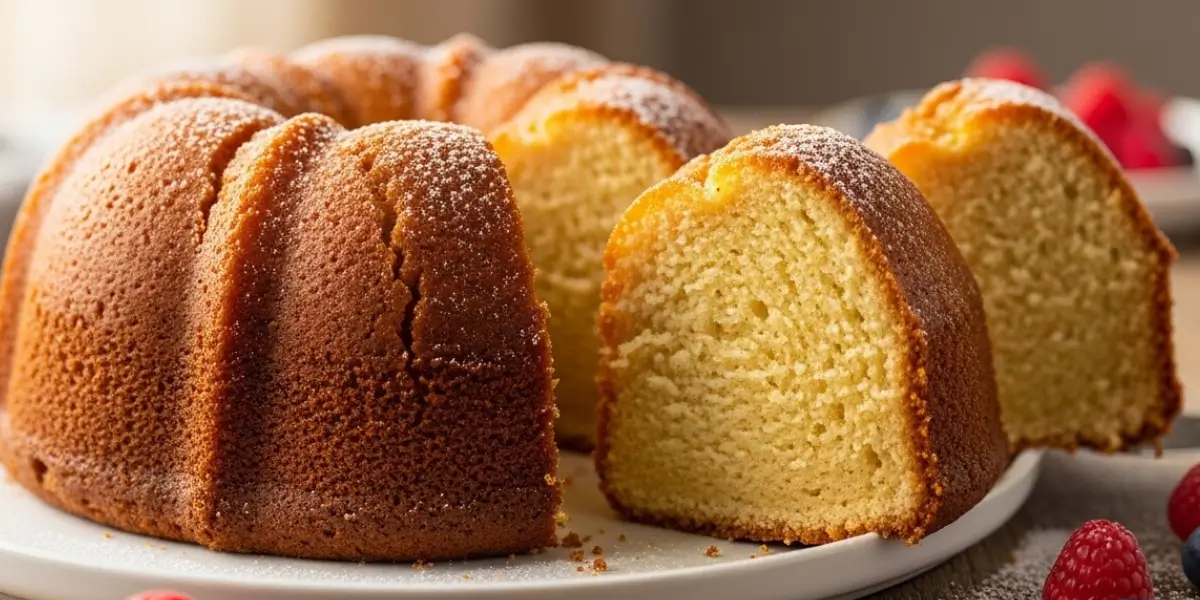
There’s something deeply comforting about a golden, buttery slice of pound cake fresh from the oven. Maybe your grandmother made it every Sunday afternoon, or perhaps you fell in love with it at a neighborhood bakery where the aroma of vanilla and warm butter drifted through the door. Whatever your story, this timeless dessert holds a tender place in our hearts — and kitchens.
If you’ve been searching for the perfect pound cake recipe — one that’s rich, tender, and completely foolproof — your search ends right here. This pound cake recipe delivers everything you love about the classic: a gorgeous golden crust, a velvety interior, and a flavor so pure and buttery that you’ll never need another recipe again. Whether you’re a first-time baker or a seasoned pro, grab your mixing bowl and let’s get started.

Classic Pound Cake Recipe
Ingredients
Method
- Preheat oven to 325°F (163°C). Grease and flour a 10-inch bundt pan or 9×5-inch loaf pan.
- Cream softened butter and granulated sugar together on medium-high speed for 5 minutes until light and fluffy.
- Add eggs one at a time, beating well after each addition until fully incorporated.
- In a separate bowl, whisk together the all-purpose flour, salt, and baking powder.
- With the mixer on low speed, add the dry ingredients in three additions, alternating with the sour cream in two additions. Begin and end with the flour mixture. Mix until just combined after each addition.
- Fold in the vanilla extract with a spatula and give the batter a few final gentle stirs.
- Pour the batter into the prepared pan and smooth the top evenly.
- Bake for 60 to 75 minutes, or until a toothpick inserted in the center comes out clean or with a few moist crumbs.
- Cool in the pan for 10 to 15 minutes, then invert onto a wire rack to cool completely.
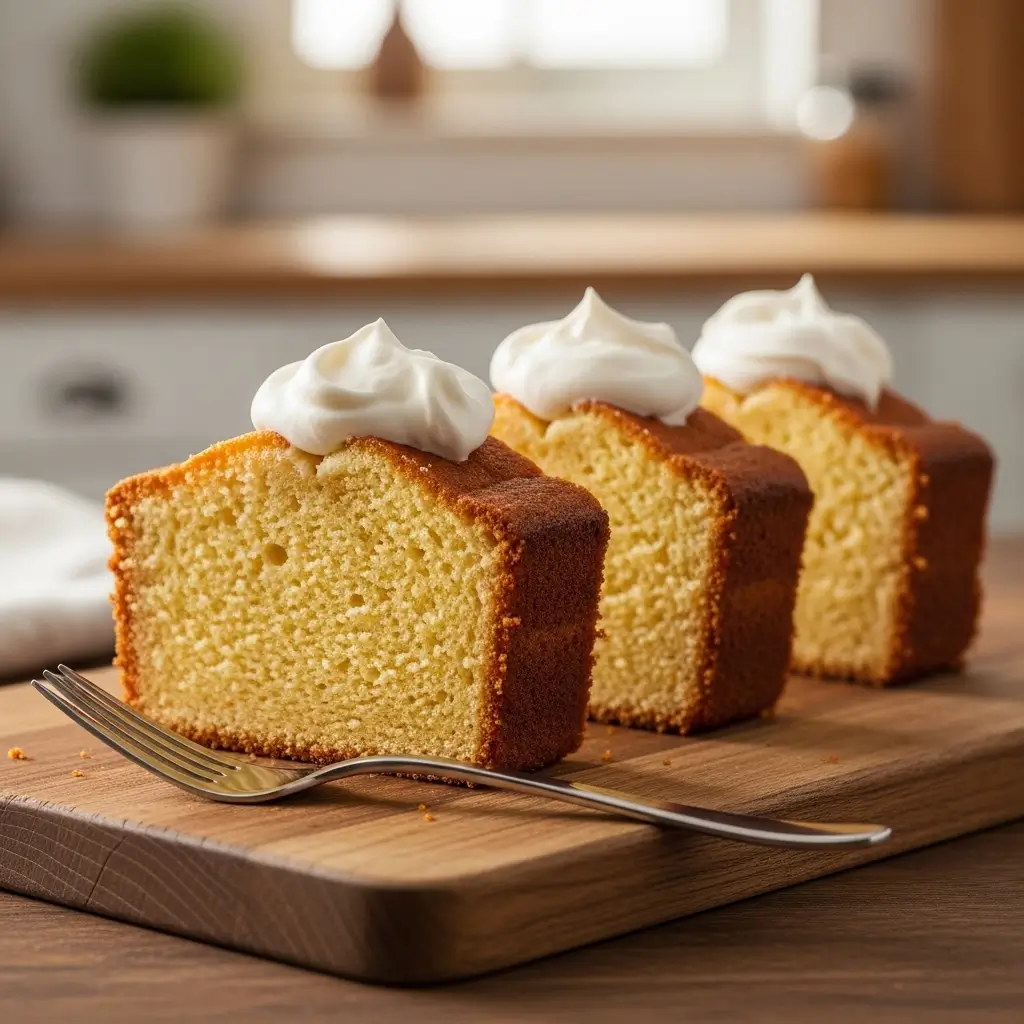
- Slice and serve plain, with powdered sugar, or with your favorite fresh fruit and whipped cream toppings.
What Makes This Pound Cake Recipe the Best
The Secret Behind a Perfectly Moist Pound Cake
What separates a good pound cake from a truly extraordinary one? It comes down to technique and balance. The original pound cake earned its name centuries ago because it called for a pound each of butter, sugar, flour, and eggs — a ratio so simple it was impossible to forget. While modern versions have evolved, that spirit of elegant simplicity remains at the heart of every great pound cake recipe.
The single most important step is creaming the butter and sugar together until they’re genuinely light and fluffy. This isn’t a 30-second job. You need at least five full minutes on medium-high speed with an electric mixer. During this time, tiny air pockets form throughout the batter, and those pockets expand during baking to create the dreamy, pillowy crumb that defines a perfect pound cake.
Room temperature ingredients are equally critical. Cold eggs can shock the butter and cause the batter to curdle, resulting in a dense, grainy texture. Cold sour cream won’t emulsify smoothly. Set everything out on the counter 30 minutes before you begin. That small act of patience yields enormous rewards.
Essential Ingredients for a Classic Pound Cake Recipe
You don’t need anything fancy to bake a show-stopping homemade pound cake. The beauty of this pound cake recipe lies in its short, honest ingredient list. Here’s exactly what you’ll need:
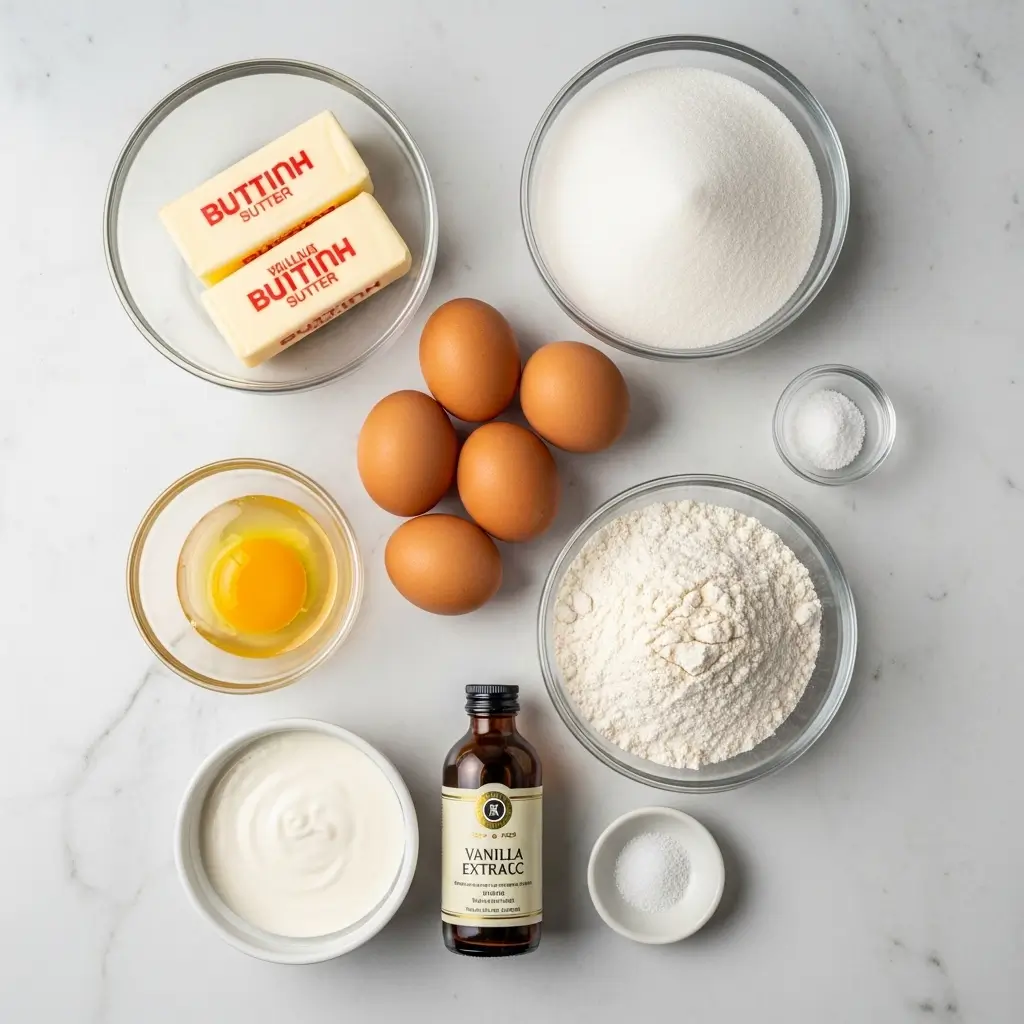
| Ingredient | Amount | Purpose |
|---|---|---|
| Unsalted butter (softened) | 1 cup (2 sticks / 226g) | Richness, moisture, and flavor |
| Granulated sugar | 2 ½ cups | Sweetness and tender crumb |
| Large eggs (room temperature) | 5 | Structure, lift, and richness |
| All-purpose flour | 3 cups | Body and structure |
| Salt | ½ teaspoon | Enhances and balances flavor |
| Baking powder | ½ teaspoon | Gentle lift |
| Sour cream (room temperature) | 1 cup | Moisture and slight tang |
| Pure vanilla extract | 2 teaspoons | Warm, aromatic flavor |
Every single ingredient earns its spot. Butter provides richness. Sugar sweetens and tenderizes. Eggs build structure. Flour forms the backbone. And vanilla extract rounds everything out with that warm, familiar fragrance we all associate with homemade baking.
The ingredient that truly sets this pound cake recipe apart is sour cream. It introduces a gentle tanginess that balances the sweetness, and its fat content contributes extra moisture that keeps your cake soft and luscious for days after baking. Some bakers use heavy cream or cream cheese for similar effects, but sour cream hits the sweet spot between tang, moisture, and texture.
How to Make the Perfect Pound Cake Recipe Step by Step
Preparing Your Ingredients and Equipment
Before you crack a single egg, proper preparation sets you up for success. Begin by placing your butter, eggs, and sour cream on the counter at least 30 minutes before baking. Room temperature isn’t a suggestion — it’s a requirement for a smooth, emulsified batter.
Preheat your oven to 325°F (163°C). Pound cakes bake at a lower temperature than most cakes, which allows the dense batter to cook evenly from edge to center without drying out the exterior.
Next, prepare your pan. Grease a 10-inch bundt pan or a 9×5-inch loaf pan thoroughly with butter or nonstick spray, then dust it with flour, tapping out the excess. For extra insurance against sticking — every baker’s nightmare — line the bottom of a loaf pan with parchment paper. These small details in this pound cake recipe prevent heartbreak later when it’s time to unmold your masterpiece.
Mixing, Baking, and Cooling Your Pound Cake
Here’s where the magic happens. Follow these steps carefully for a flawless result:
- Cream the butter and sugar on medium-high speed for 5 minutes until pale, light, and fluffy. Scrape down the bowl once halfway through.
- Add eggs one at a time, beating for about 30 seconds after each addition until fully incorporated. Don’t rush this.
- Whisk the dry ingredients — flour, salt, and baking powder — together in a separate bowl.
- Alternate additions: With the mixer on low speed, add the flour mixture in three parts, alternating with the sour cream in two parts. Start and end with the flour. Mix only until each addition disappears — overmixing develops gluten and toughens the cake.
- Fold in the vanilla extract with a spatula, giving the batter a few final gentle stirs.
- Pour into your prepared pan, smoothing the top with a spatula or the back of a spoon.
- Bake for 60 to 75 minutes. Every oven is different, so start checking at the 55-minute mark. A toothpick inserted in the center should come out clean or with just a few moist crumbs clinging to it.
When your cake emerges from the oven, resist the temptation to flip it out immediately. Let it cool in the pan for 10 to 15 minutes. This resting period lets the structure firm up so the cake releases cleanly without crumbling. Then invert it onto a wire rack and allow it to cool completely before slicing. Following this pound cake recipe precisely delivers bakery-worthy results right in your own kitchen.
Tips, Variations, and Troubleshooting Your Pound Cake Recipe
Expert Tips for a Flawless Pound Cake Every Time
Even experienced bakers occasionally struggle with pound cake. Here are the most common problems and exactly how to prevent them:
- Dense or heavy texture: You likely didn’t cream the butter and sugar long enough. Commit to a full five minutes on medium-high speed. Those air pockets are non-negotiable.
- Dry crumb: Overbaking is almost always the culprit. Start checking your cake five minutes before the minimum baking time. Pull it the moment that toothpick comes out clean.
- Cake sinking in the center: Opening the oven door too early lets cold air rush in and collapse the rising batter. Don’t peek for at least 45 minutes. Also, stick to the measurements in this pound cake recipe exactly — extra leavening can backfire.
- Cracked top: Relax. A slight crack across the top is actually normal and even desirable in a traditional pound cake. It’s a sign your cake rose properly.
Here’s a pro tip that makes a surprisingly big difference: measure your flour correctly. Spoon the flour into your measuring cup and level it with the flat edge of a knife. Scooping directly from the bag packs in extra flour, and just a quarter-cup too much can turn a tender, moist cake into something dry and tough. Precision matters with this pound cake recipe.
Delicious Variations to Elevate Your Pound Cake Recipe
Once you’ve nailed the classic version, the fun really begins. This versatile pound cake recipe serves as a canvas for endless creative twists. Here are some favorites:
| Variation | What to Add or Change |
|---|---|
| Lemon Pound Cake | Swirl ¼ cup cocoa powder mixed with 2 tablespoons melted butter through the batte.r |
| Chocolate Marble Pound Cake | Replace vanilla extract with 1 ½ teaspoons almond extract; top with sliced almonds. |
| Almond Pound Cake | Substitute 4 oz softened cream cheese for half the sour cream for extra density and tan.g |
| Cream Cheese Pound Cake | Brown the butter before creaming for a deep, nutty, caramel-like flavor |
| Brown Butter Pound Cake | Fold ¾ cup fresh blueberries or raspberries gently into the finished batter. |
| Berry Swirl Pound Cake | Swirl ¼ cup cocoa powder mixed with 2 tablespoons melted butter through the batter.r |
Each variation builds on the same reliable foundation, so you can experiment with total confidence. Whether you’re bringing dessert to a holiday gathering, celebrating a birthday, or simply treating yourself on a quiet Saturday, this pound cake recipe adapts beautifully to any occasion and any season.
Conclusion
A truly great pound cake recipe is one you’ll return to again and again — through holidays, potlucks, lazy weekends, and midnight cravings. This is that recipe. With simple pantry staples, a straightforward method, and a handful of expert tips, you can produce a cake that rivals anything behind a bakery display case. The golden crust shatters gently under your fork. The crumb is tender and moist. The buttery, vanilla-kissed flavor is the kind that makes people close their eyes and smile.
So preheat your oven, pull out your favorite mixing bowl, and give this pound cake recipe a try today. Once you taste the results, you’ll understand why pound cake has remained one of America’s most beloved desserts for centuries.
Share your baking experience in the comments below, pin this recipe for later, and explore our other classic dessert guides for more kitchen inspiration!
FAQ: Pound Cake Recipe
Q: What is the best pound cake recipe for beginners?
A: This pound cake recipe is ideal for beginners because it relies on basic pantry ingredients and straightforward techniques. As long as you cream your butter and sugar for a full five minutes, use room temperature ingredients, and avoid overbaking, you’ll achieve a moist, beautiful cake on your very first attempt.
Q: Can I freeze pound cake made from this pound cake recipe?
A: Absolutely. Wrap your fully cooled pound cake tightly in plastic wrap, then in a layer of aluminum foil. Stored this way, it keeps beautifully in the freezer for up to three months. When you’re ready to enjoy it, thaw at room temperature for a couple of hours before serving for the best texture and flavor.
Q: Why is my pound cake recipe turning out dry?
A: The most common reason a pound cake recipe turns out dry is overbaking. Always start checking five minutes before the minimum baking time listed. Additionally, make sure you’re measuring flour by the spoon-and-level method rather than scooping, and confirm that your butter, eggs, and sour cream are at room temperature before mixing. These three adjustments solve the dryness problem almost every time.
Q: Do I need a bundt pan for this pound cake recipe?
A: Not at all. While a 10-inch bundt pan gives the classic look, a standard 9×5-inch loaf pan works perfectly. If using a loaf pan, your baking time may run slightly longer — check at 60 minutes and continue baking as needed until a toothpick comes out clean.

