

Real Homemade Bagel Recipe In2026

Remember that first morning you bit into a perfectly chewy bagel from your favorite local bakery? That golden-brown exterior cracking between your teeth, the soft pillowy interior practically melting on your tongue, and the subtle tang of fermented dough making you want just one more bite. Now imagine recreating that exact experience in your own kitchen, without the pre-dawn baker’s schedule or the line out the door.
Making a bagel recipe at home might seem intimidating—like you’re entering some exclusive culinary club with secret handshakes and insider knowledge. But here’s the truth: creating authentic, delicious homemade bagels is entirely within your reach. With the right guidance, quality ingredients, and a little patience, you’ll discover that baking bagels is not only achievable but genuinely enjoyable. This comprehensive guide will walk you through everything you need to know to master the bagel recipe used by restaurant professionals, all from the comfort of your own home.


Homemade Bagel Recipe
Ingredients
Method
- Step 1:
- Combine bread flour, water, salt, yeast, and honey in a large mixing bowl. Mix until all flour is hydrated and you have a shaggy dough. Let rest for 20 minutes (autolyse).
- Step 2:
- Mix the Dough Knead to Develop Gluten Knead dough for 10 minutes by hand or 6-8 minutes in a stand mixer with dough hook. Dough should be smooth, elastic, and spring back when poked.
- Step 3:
- First Fermentation (Bulk Rise) Place kneaded dough in a lightly oiled bowl, cover with plastic wrap or damp towel, and let rise at room temperature for 2 hours until roughly doubled in size.
- Step 4:
- Pre-Shape and Rest Turn dough onto lightly floured surface, divide into 8 equal pieces, and gently pre-shape into rough balls. Cover loosely and rest for 20 minutes.
- Step 5:
- Shape into Bagels Roll each piece into a ball, poke a hole through the center with your thumb, and stretch into a ring shape approximately ¾ inch thick. Aim for uniform thickness throughout.
- Step 6:
- Cold Fermentation (Overnight) Place shaped bagels on parchment-lined baking tray, cover, and refrigerate for 12-24 hours. This extends fermentation and develops complex flavors.
- Step 7:
- Prepare for Boiling Remove bagels from refrigerator 10 minutes before boiling. Bring large pot of water to rolling boil and add 15g (1 tablespoon) baking soda.
- Step 8:
- Boil the Bagels Boil each bagel for 60-90 seconds per side using a slotted spoon. Water should be actively boiling but not violently so.
- Step 9:
- Add Toppings (Optional) Remove bagels from water and place on lined baking sheet. If desired, brush with egg wash and add toppings (sesame seeds, everything seasoning, etc.) while still damp.
- Step 10:
- Bake Preheat oven to 450°F (230°C). Bake bagels for 20-25 minutes until golden brown and they sound hollow when tapped on the bottom.
- Step 11:
- Cool Transfer baked bagels to a wire rack and let cool for at least 30 minutes before slicing or serving. This allows the interior to set properly.
The Science Behind the Perfect Bagel Recipe
Understanding What Makes Bagels Different
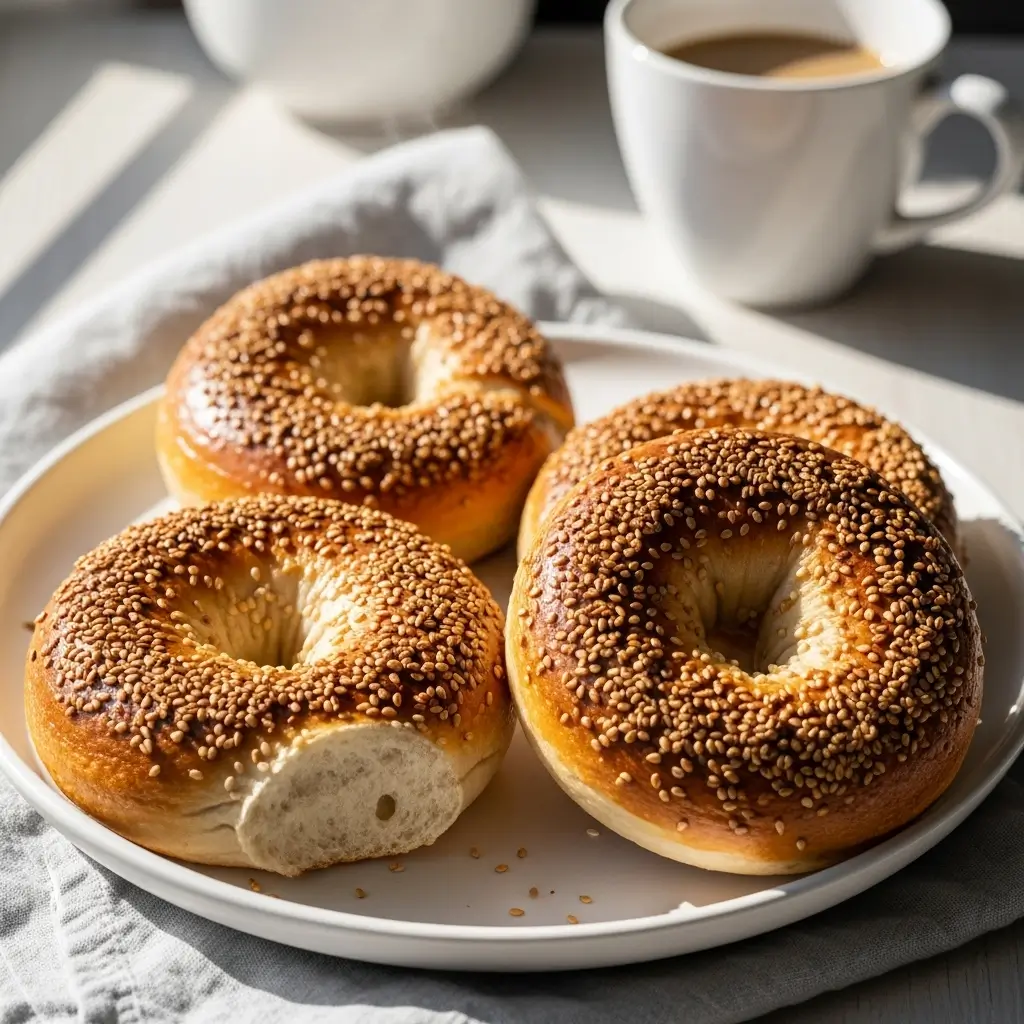
Bagels stand apart from other breads because of their unique cooking method and dough composition. Unlike regular bread that’s baked, a bagel recipe involves boiling the dough before baking—this crucial step creates that signature chewy exterior and dense, tender crumb. The boiling process gelatinizes the starches on the dough’s surface, which then caramelizes during baking to give you that beautiful, glossy finish.
When you’re working with a bagel recipe, you’re using a dough with higher protein content (bread flour, specifically) compared to standard bread recipes. This creates the characteristic chewiness you crave. The dough also typically contains less sugar and fat than similar bread recipes, which means bagels stay fresher longer and have that distinctive dense bite.
The Role of Fermentation in Bagel Recipes
Fermentation isn’t just a fancy baking term—it’s essential to developing real bagel flavor. A proper bagel recipe calls for an overnight cold fermentation (or bulk fermentation) that allows natural yeasts to develop complex flavors. This extended fermentation period is why homemade bagels taste so much better than quick versions made in just a few hours.
During fermentation, the dough’s gluten structure continues to develop, making it stronger and more elastic. This strength is crucial because it prevents your bagels from spreading too much when boiled and baked. The fermentation also creates those subtle sour notes that distinguish a truly excellent bagel recipe from mediocre ones.
Classic Homemade Bagel Recipe: Step-by-Step Instructions

Ingredients You’ll Need
| Ingredient | Amount | Purpose |
|---|---|---|
| Bread flour | 500g (3¾ cups) | Creates chewy texture |
| Water | 325ml (1¼ cups) | Hydrates the dough |
| Sea salt | 10g (2 tsp) | Enhances flavor, strengthens gluten |
| Instant yeast | 5g (1½ tsp) | Leavening agent |
| Honey or malt syrup | 7g (1 tsp) | Adds subtle sweetness, aids browning |
| Baking soda | 15g (1 tbsp) | For boiling water (optional but recommended) |
Making Your Bagel Dough
Step 1: Mix the Dough. Combine your bread flour, water, salt, yeast, and honey in a large mixing bowl. Mix until all flour is hydrated and you have a shaggy dough. Don’t worry about it looking rough at this stage—that’s exactly what you want. Let this mixture rest for 20 minutes (this is called autolyse), which helps the flour fully absorb the water.
Step 2: Knead to Develop Gluten After the autolyse rest, knead your dough for about 10 minutes by hand or 6-8 minutes in a stand mixer fitted with a dough hook. You’re looking for a smooth, elastic dough that springs back when you poke it. This is when the bagel recipe’s gluten network develops, creating that chewy texture you’re after.
Step 3: First Fermentation Place your kneaded dough in a lightly oiled bowl, cover it with plastic wrap or a damp towel, and let it rise at room temperature for 2 hours until it roughly doubles in size. This is your bulk fermentation—it’s developing flavor and strengthening the dough.
Shaping and Cold Fermentation
After your bulk fermentation, turn the dough onto a lightly floured work surface and gently pre-shape it into a rough log. Divide it into 8 equal pieces (each should weigh around 95-100g). Cover these pieces loosely and let them rest for 20 minutes—this resting period makes them much easier to shape.
To shape each piece into a bagel: take one portion and gently roll it into a ball. Poke a hole through the center with your thumb, then carefully stretch the dough into a ring shape about ¾ inch thick. Aim for a uniform thickness throughout—this ensures even baking.
Place your shaped bagels on a baking tray lined with parchment paper, cover them, and refrigerate overnight (or up to 24 hours). This cold fermentation is where the magic happens in your bagel recipe. The extended time in the cold allows flavors to develop and strengthens the dough so it won’t deflate when boiled.
Boiling: The Essential Step
Before boiling, bring a large pot of water to a rolling boil and add 15g (1 tablespoon) of baking soda. The baking soda raises the water’s pH, which helps develop that characteristic dark brown exterior.
Remove your bagels from the refrigerator 10 minutes before boiling (this brings them closer to room temperature). Boil each bagel for 60-90 seconds per side, which is longer than many recipes suggest but creates that chewy texture authentic bagel recipes are known for. Use a slotted spoon to carefully turn them halfway through.
Baking Your Bagel Recipe
Preheat your oven to 450°F (230°C). Remove boiled bagels from the water and place them on a lined baking sheet. If you want to add toppings (everything seasoning, sesame seeds, poppy seeds), do it now while the bagels are still slightly damp.
Bake for 20-25 minutes until they’re golden brown and sound hollow when tapped on the bottom. Let them cool on a wire rack—this is crucial as it allows the interior to set. Freshly baked bagels benefit from at least 30 minutes of cooling before slicing.
Bagel Recipe Variations and Toppings to Try
Flavor Variations Beyond Your Basic Bagel Recipe
Sourdough Bagel Recipe. For a tangier, more complex bagel recipe, replace half your instant yeast with sourdough starter (around 100g). Extend your bulk fermentation to 3 hours and reduce the yeast quantity accordingly. Sourdough bagel recipes develop incredible depth of flavor and often stay fresh longer than yeast-only versions.
Everything Bagels After boiling and before baking, brush the damp bagel surface with egg wash, then generously coat with everything bagel seasoning (a mixture of sesame seeds, poppy seeds, dried garlic, dried onion, and sea salt). This bagel recipe variation adds incredible flavor and texture without changing the base dough.
Classic Topping Ideas for Your Bagel Recipe
- Cream Cheese Spreads: Plain, scallion, smoked salmon, herb-infused
- Seed Toppings: Sesame, poppy, nigella, pumpkin
- Savory Options: Everything seasoning, za’atar, everything but the bagel
- Sweet Options: Cinnamon sugar, everything bagel seasoning with a drizzle of honey
Troubleshooting Your Bagel Recipe: Common Issues and Solutions
Bagels Spreading Too Much
If your homemade bagels spread excessively during baking, your dough likely needed more fermentation time or a longer boiling period. Next time, extend your cold fermentation to a full 24 hours and increase boiling time to 90 seconds per side. These adjustments will strengthen your bagel recipe’s dough structure.
Dense, Heavy Bagels
Dense bagels usually indicate over-fermentation or insufficient kneading. Make sure you’re reaching the proper gluten development during kneading (the dough should be very smooth and elastic), and don’t exceed 24 hours of cold fermentation. Additionally, ensure your boiling water is truly at a rolling boil—this is crucial for the right texture in your bagel recipe.
Bagels Tearing During Boiling
Bagels tear when the dough hasn’t developed enough strength or the boiling water is too hot. Ensure adequate bulk fermentation (your dough should double in size), and bring your water to exactly the right temperature before boiling. A rolling boil will cause tearing, so you want actively boiling water but not violently so.
Storage and Freshness: Keeping Your Bagel Recipe Results Perfect
Freshly baked bagels are best consumed within a day, but they’ll maintain decent quality for up to three days in an airtight container at room temperature. For longer storage, freeze your cooled bagels in a freezer-safe bag for up to three months.
To revive a day-old bagel, slice it and toast it briefly—this restores crispness to the exterior. Frozen bagels can go straight into the toaster from the freezer without thawing first. If you prefer to restore softness, wrap a frozen bagel loosely in foil and warm it in a 300°F oven for about 10 minutes.
Frequently Asked Questions About Bagel Recipes
Q1: What’s the difference between a New York bagel recipe and a Montreal bagel recipe?
A: New York bagel recipes typically use boiling water without additives and produce slightly larger, airier bagels. Montreal bagel recipes call for boiling in water with honey or malt syrup, creating smaller, denser, and sweeter bagels. Both are delicious—it comes down to personal preference. The boiling method in your bagel recipe makes the biggest difference in final texture and taste.
Q2: Can I make a bagel recipe without overnight fermentation?
A: While it’s technically possible to make bagels with just a few hours of fermentation, the resulting bagel recipe won’t develop the complex flavors or ideal texture. Overnight cold fermentation is what distinguishes truly excellent homemade bagels from adequate ones. If you’re short on time, do at least an 8-hour cold fermentation, but 12-24 hours is ideal for your bagel recipe.
Q3: How do I know when my bagel recipe dough is properly fermented?
A: Your dough should roughly double in size during bulk fermentation and feel slightly puffy but still hold its shape during shaping. During cold fermentation, the bagels should be noticeably puffy when removed from the refrigerator. If you gently poke the dough and it springs back slowly (taking 3-5 seconds), you’re ready to boil—this indicates proper fermentation in your bagel recipe.
Conclusion
Making a bagel recipe at home is a rewarding experience that yields results far superior to most commercial options. By understanding the science behind the process—the importance of fermentation, proper boiling technique, and quality ingredients—you’re equipped to create bagels that rival those from professional bakeries.
The key to mastering your bagel recipe lies in following the process patiently. Don’t rush the fermentation, don’t skip the boiling step, and don’t hesitate to troubleshoot based on your results. Each time you make this bagel recipe, you’ll learn something new about your oven, your ingredients, and your technique.
Whether you’re drawn to a classic plain bagel recipe, want to experiment with sourdough variations, or dream of creating everything bagels, you now have the knowledge and steps to succeed. Your kitchen is about to fill with that intoxicating aroma of baking bagels, and your mornings are about to become significantly better.
So what are you waiting for? Grab your ingredients, set aside a day for this bagel recipe adventure, and prepare to make something truly delicious. Your future self will thank you when you’re biting into a warm, fresh bagel you created with your own two hands. And don’t forget—share your bagel recipe creations with us in the comments below. We’d love to hear about your homemade bagel success stories!
Additional Resources for Bagel Recipe Success
- Bookmark this bagel recipe guide for future reference
- Invest in a kitchen scale for precise measurements in your bagel recipe
- Consider joining online baking communities where you can share your bagel recipe results
- Experiment with this bagel recipe’s variations once you’ve mastered the classic version


